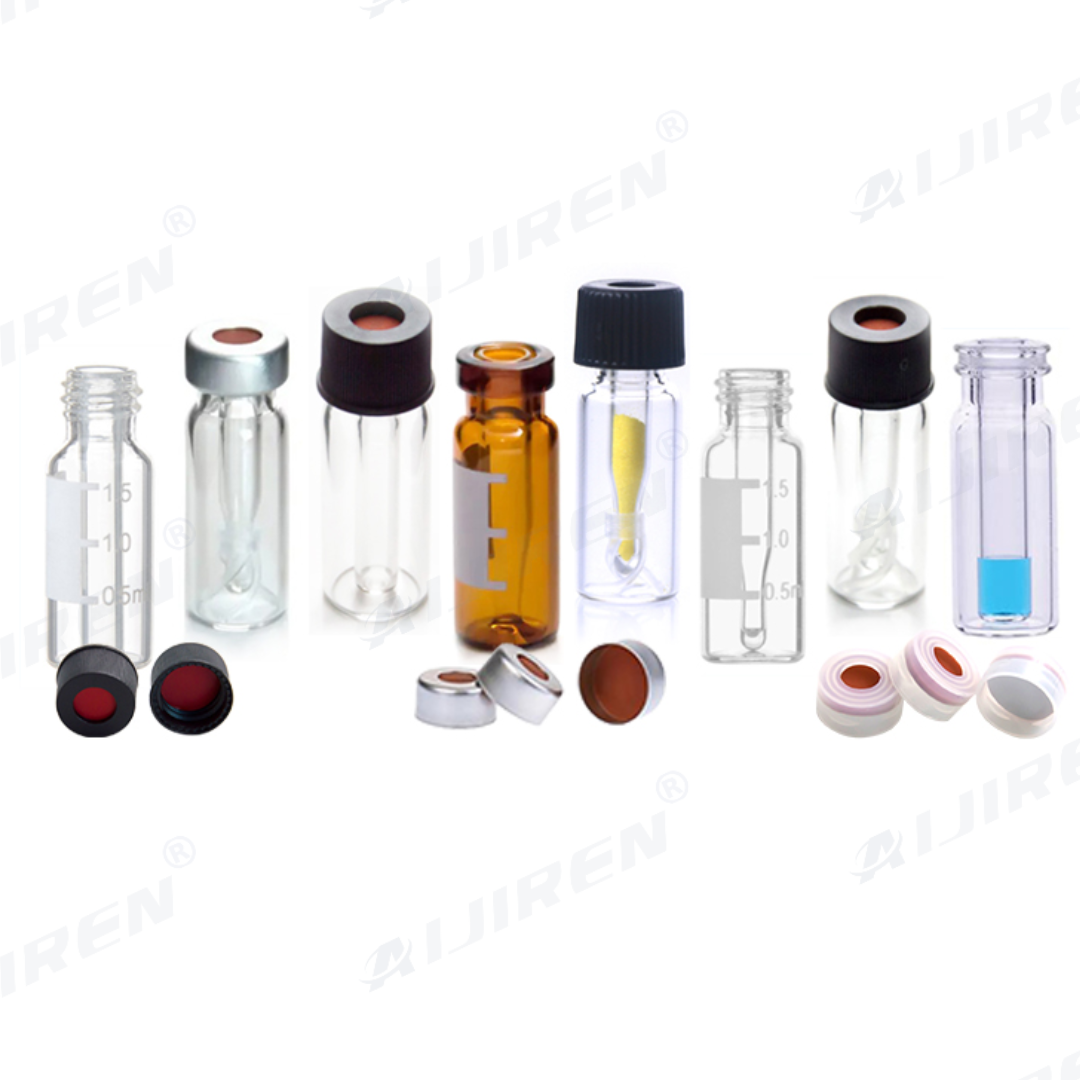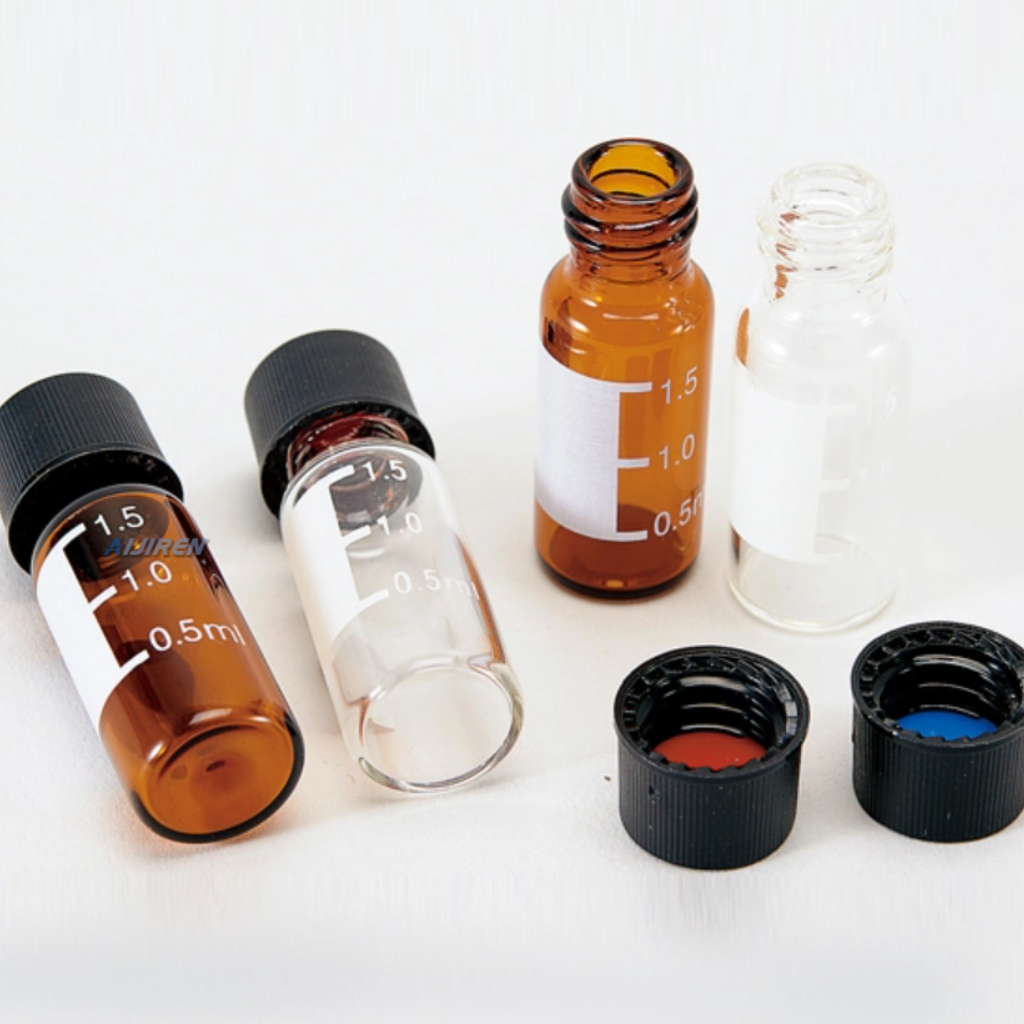
A 40 mL VOA vial came back from the contract lab with a trip blank at 2.1 µg/L methylene chloride, and the auditor's first question was not about the GC. It was: "Show me the certificate for the septa lot you used, and the container-closure log for that sampling event." That single exchange is the whole game. EPA method requirements for aijiren brand consumables and the auditor expectations that follow are not about whether the vial is "EPA approved." They are about whether you can prove the container you used met the method's written specifications, and whether your paperwork lets an auditor trace a specific lot to a specific sample set.
I have sat through enough EPA-style audits and third-party data reviews to know that the consumable rarely fails on chemistry. It fails on documentation, or it fails on a physical detail (a septum that cored, a cap that leaked at 4 °C) that the method already anticipated and you did not check. This article covers what SW-846 and the related methods actually say about the container, and the exact documents an auditor reaches for first.
SW-846 is a guidance compendium, not a single regulation, and that trips people up. The container language lives in the individual methods (5030, 8260, 8081, 3510) and in Chapter Three, "Inorganic Analytes," and Chapter Four, "Organic Analytes," which set general sample-handling expectations. The recurring themes are consistent across methods:
- Container material and volume are specified per analyte group. Volatile organics (Method 5030/8260) call for two 40 mL vials, filled with zero headspace, with a septum seal. Semivolatiles and metals use amber glass with PTFE-lined closures at 1 L nominal.
- Preservation and hold time are written into the method table. VOA samples are cooled to ≤6 °C and, where the method requires, acidified to pH <2 with HCl or preserved with a specified reagent. Hold time for volatiles is typically 14 days from collection, with some methods shorter.
- Zero headspace is the one auditors physically inspect. A bubble the size of a pea in a 40 mL vial is a documented deviation, because the method's whole premise is that volatiles do not partition into a gas phase before analysis.
Here is the part buyers miss: SW-846 does not name a brand, and it never will. It specifies the container's properties. Your job is to show that the aijiren vial, septum, and cap you used deliver those properties lot after lot. The EPA SW-846 test methods page is where you pull the current method revision, and I recommend printing the container section of the specific method you run, not a summary from a supplier's marketing sheet.
The septum is the component the method assumes you control
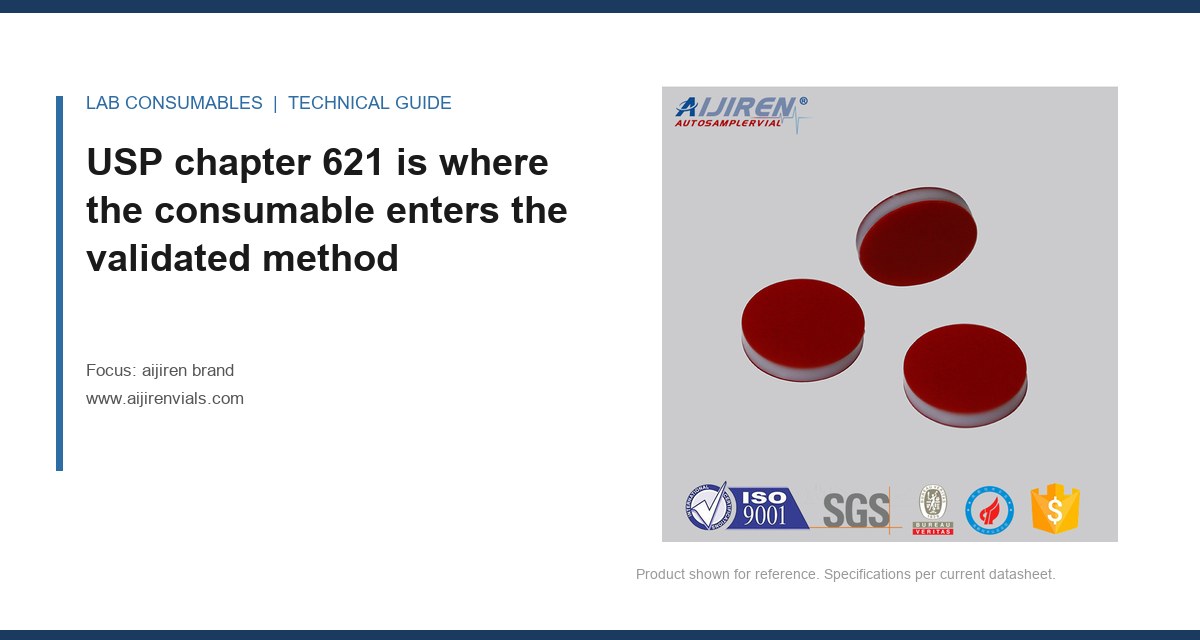
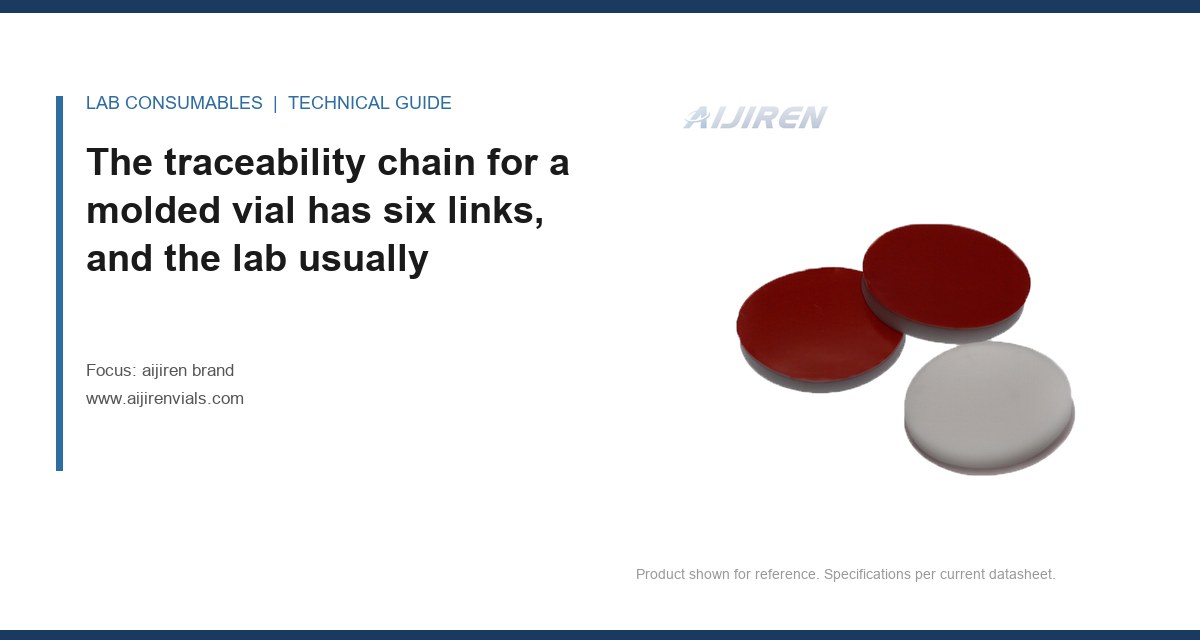
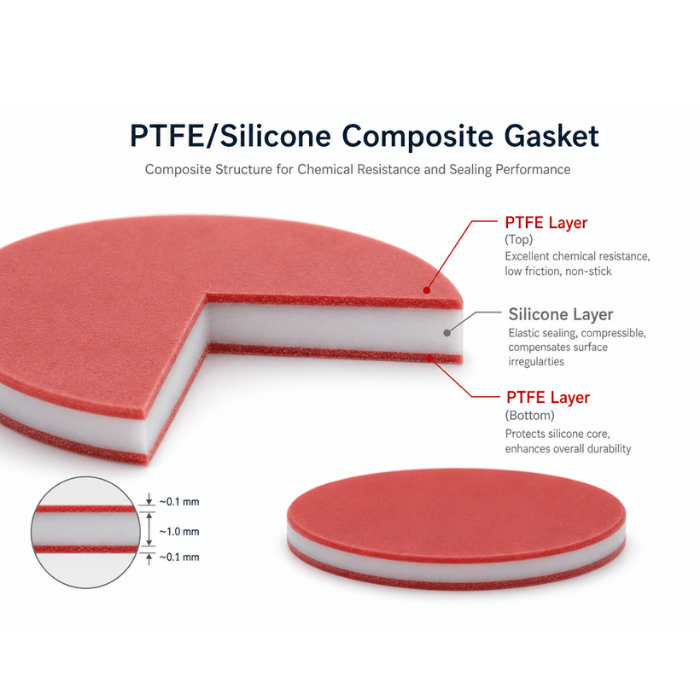
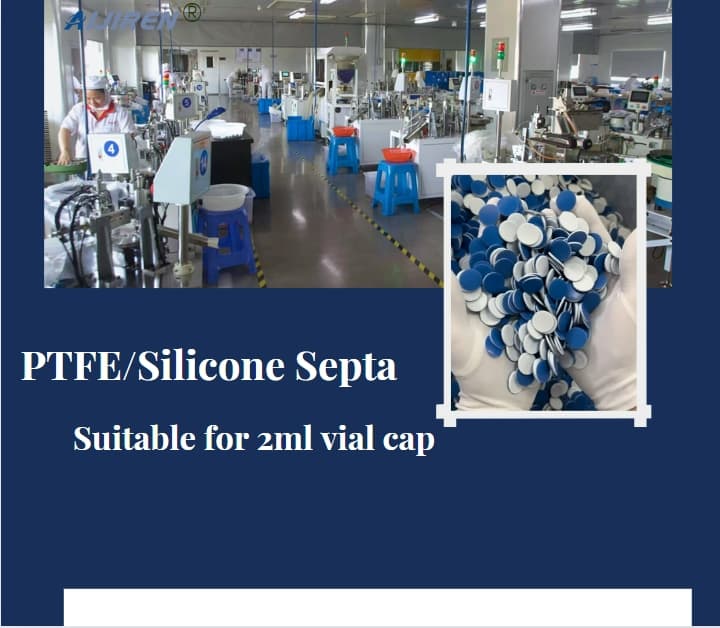
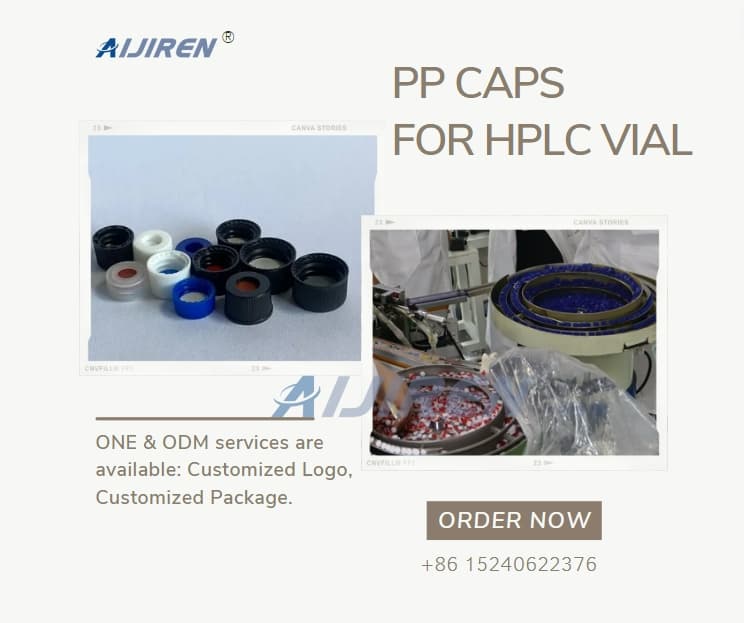
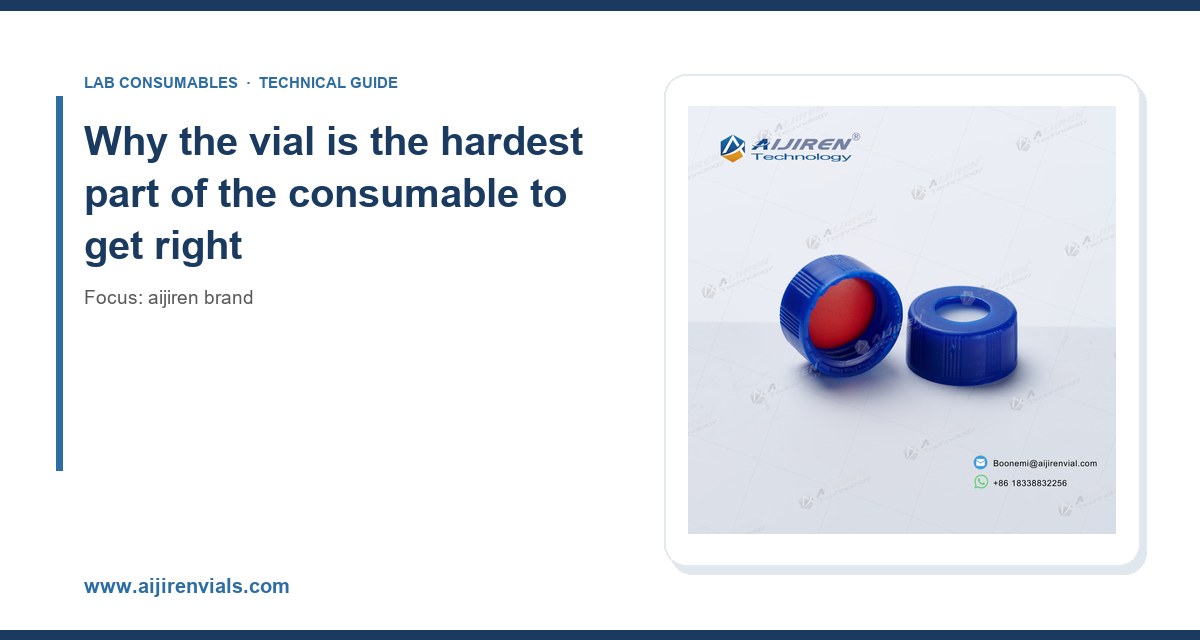
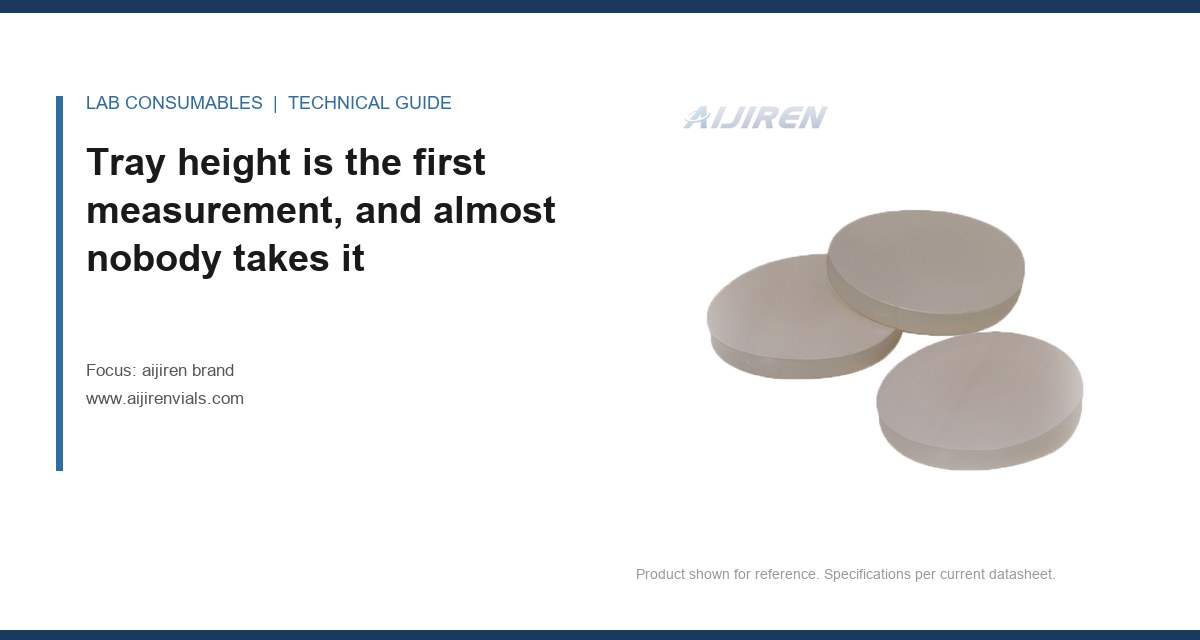
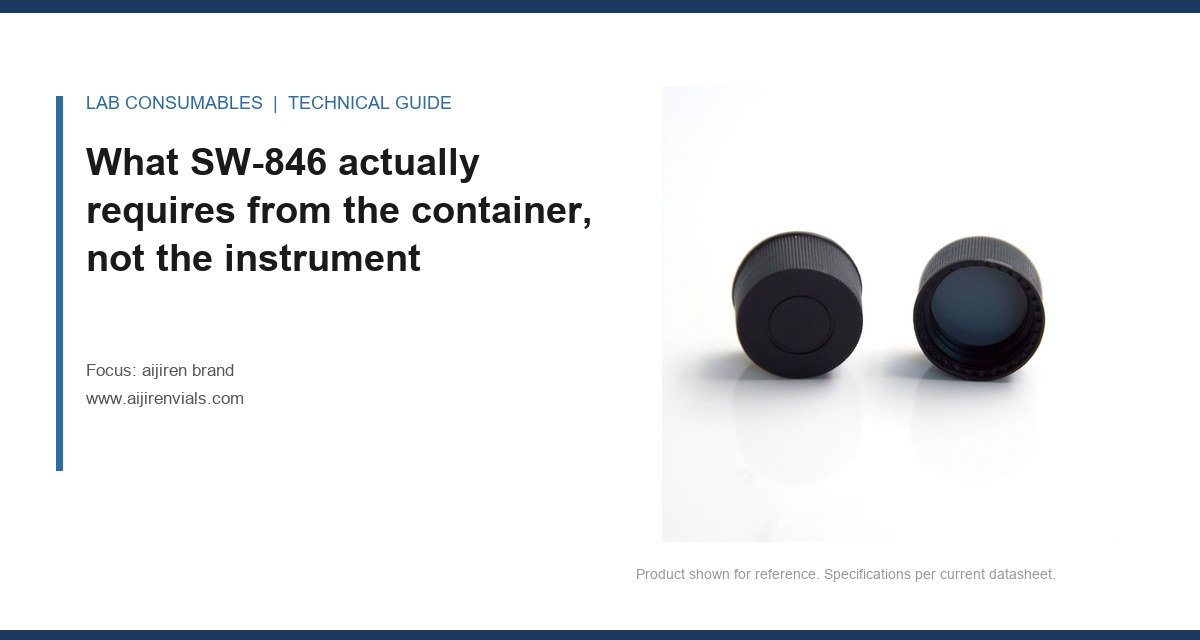
Method 5030 and 8260 assume a septum that does not contribute volatiles and does not leak. That means a PTFE-faced silicone septum, typically 0.125 in (3.2 mm) thick for a 20 mm crimp or screw closure, with a PTFE film on the sample side. A plain silicone septum will absorb and later release methylene chloride, toluene, and other volatiles. If you are running volatiles and your septum has no PTFE barrier, you have a method deviation whether or not anyone wrote it down. The septa selection reference I keep on the bench lists which barrier material goes with which analyte class, and it is worth laminating.
The three documents an EPA auditor asks for before anything else
When the audit starts, the reviewer is not going to tour your instrument room first. They want a paper trail. In my experience the sequence is almost always the same, and if you cannot produce all three within a few minutes, the audit tone changes.
1. The certificate of analysis or certificate of conformance for the lot
Not the catalog page. The lot-specific certificate that ties the physical batch to the dimensional and material specs. For aijiren brand, that means the certificate showing closure dimensions, septum thickness, and material grade for the exact lot number printed on the box. An auditor will compare the lot number on the certificate to the lot number on the shipping record to the lot number in your container-closure log. If any of those three does not match, you have a traceability gap, and the samples that used that lot are now in question.
2. The container-closure log
This is the document most labs do not keep and most auditors ask for. It records, per sampling event: container lot, septum lot, cap lot, preservative added, volume filled, and the analyst's initials. It does not need to be fancy. A bound logbook with a column for each is enough. What the auditor wants to see is that you can connect a specific sample (say, job 24-1187, sample VOA-3) to a specific consumable lot without reconstructing it from memory.
3. The preservation and temperature record
pH check on arrival (pH paper or meter, documented), temperature on arrival (infrared or probe, documented to ≤6 °C), and the hold-time clock started at collection. This is where a surprising number of findings originate. A vial that arrived at 8 °C is a deviation even if the chemistry is perfect. The container did its job; the cold chain did not.
| Document | What it must show | Finding it prevents |
|---|---|---|
| Lot certificate (CoA/CoC) | Lot number matches box and log; dimensions and material grade stated | Untraceable consumable; sample invalidation |
| Container-closure log | Vial/septum/cap lot per sampling event | Cannot link lot to sample; data defensibility loss |
| Preservation record | pH <2 where required; arrival temp ≤6 °C | Holding-time and preservation deviation |
| Headspace inspection note | Zero headspace confirmed at collection | Volatile loss; low bias on early-eluting compounds |
| Seal integrity check | Cap torque or crimp condition recorded | Leak path; evaporative loss during storage |
Where the seal actually leaks, and why the auditor measures it
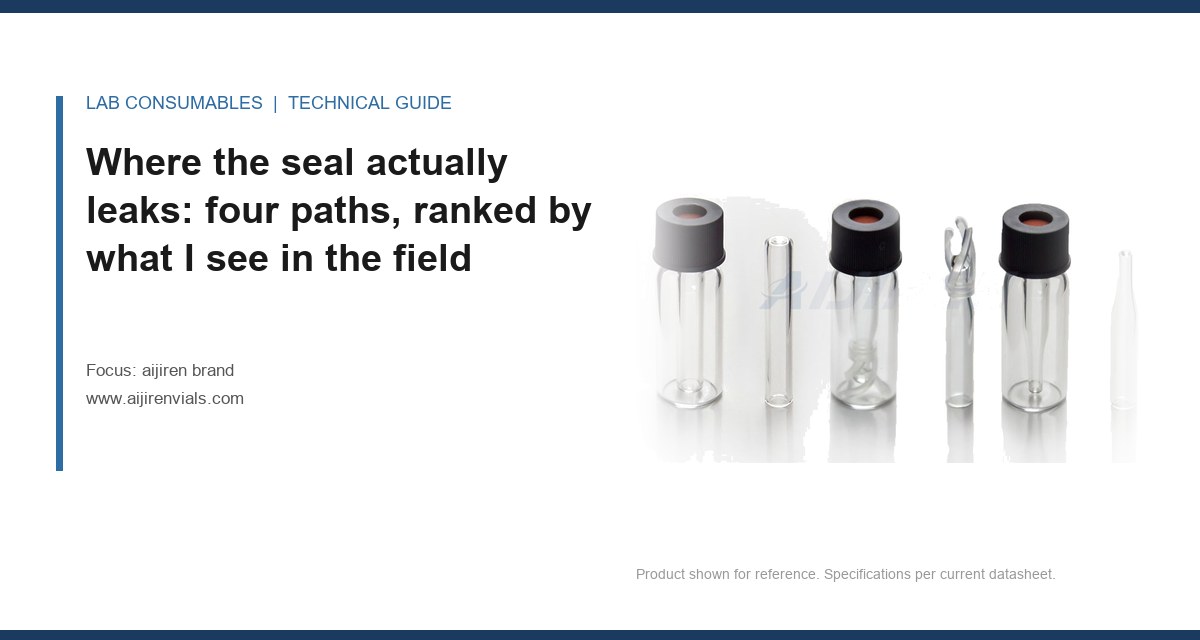
I have ranked leak paths before, and for EPA work the order shifts slightly because of the 40 mL screw-cap format. Here is what I see, worst first:
- The crimp or screw thread interface. A screw cap under-torqued to below about 8 in-lb on a 20 mm closure will weep volatiles over a 14-day hold. Over-torqued past roughly 15 in-lb and you deform the septum or strip the thread, which is worse. I aim for 10 to 12 in-lb on a calibrated torque driver and I log it.
- Septum coring. A blunt or worn needle punches a plug instead of piercing. That plug sits in the vial and, worse, the puncture leaves a channel that does not reseal. A good PTFE-faced silicone septum handles 3 to 5 punctures before reseal performance drops; I treat anything past three as spent for quant work.
- PTFE film damage on the sample side. A scratched barrier film exposes silicone to the sample, and silicone absorbs volatiles. Inspect under a loupe at 10x if you are chasing a low bias.
- Cap liner misalignment. A liner seated off-center leaks at the edge. This is a manufacturing defect, and it is exactly why you keep the lot certificate.
If you want the mechanical detail on how a needle should pierce rather than punch, the vial septa puncture guidance covers the needle geometry and septum durometer that make the difference. The short version: a sharp, beveled needle and a septum with the right Shore hardness reseal; a blunt needle and a soft septum do not.
Two field cases where the container, not the method, was the problem
Case 1: the low bias that was a cap torque problem
A lab running Method 8260 saw methylene chloride recoveries drift to 68% against a 70 to 130% acceptance window on the low calibration standard, but only on samples stored more than seven days. The instrument was clean, the standard was fresh, and the blanks were fine. I asked them to torque-check a batch of caps that had been hand-tightened. Average was 6.5 in-lb, well under the 8 in-lb floor. The caps were not sealing, and the volatile was escaping through the thread over the hold period. The fix was a calibrated torque driver set to 11 in-lb and a one-line addition to the SOP. Recoveries came back to 90 to 105%. The auditor's finding, had it happened during an audit, would have been documented as a preservation/handling deviation, not an instrument issue.
Case 2: the trip blank that traced to a septum lot
A different lab had a trip blank at 1.8 µg/L toluene with everything else clean. The vial lot certificate was in order, but the septum lot on the box did not match the certificate on file. It turned out a partial box from an earlier lot had been topped up with a new lot, and the mixed box went to the field. The new lot's septum was a plain silicone, not PTFE-faced, supplied against a mis-keyed part number. The measurement that identified it: a solvent-extraction check of an unused septum from the box, which released toluene at detectable levels. The fix was lot segregation, a quarantine shelf for partial boxes, and a rule that a box leaves the stockroom only with its matching certificate stapled to the outside.
Both cases share a shape. The chemistry was fine. The container or the paperwork around it was not. That is the pattern EPA auditors are trained to look for, and it is why the aijiren brand documentation package matters more than any single spec on the datasheet.
What the aijiren dimensional families mean for method compliance
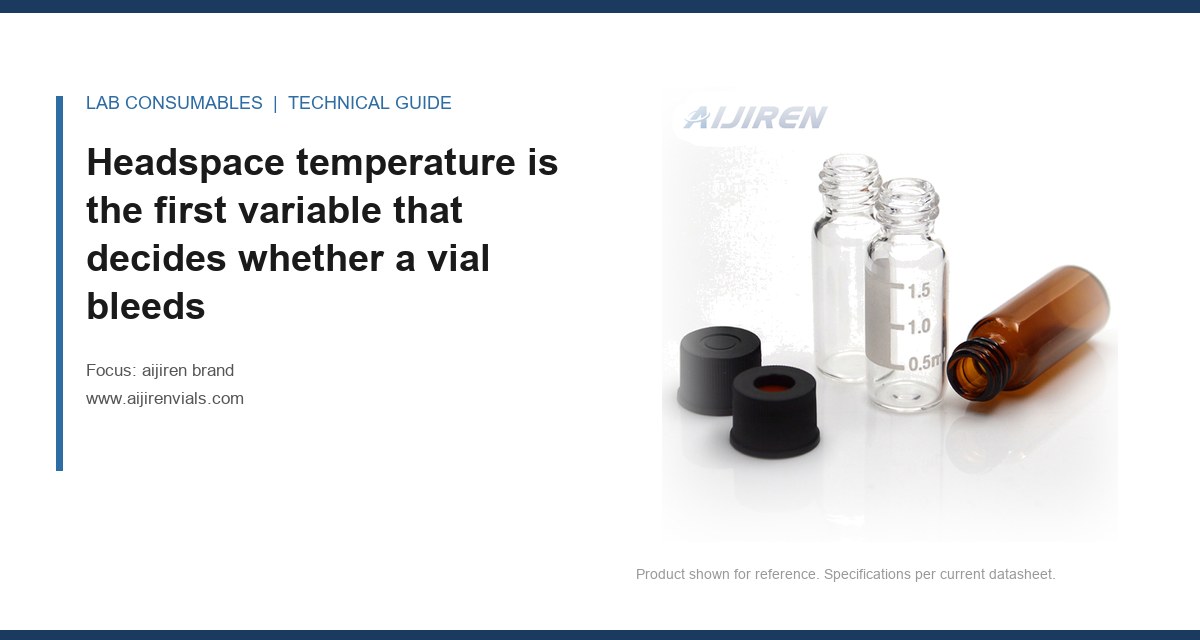
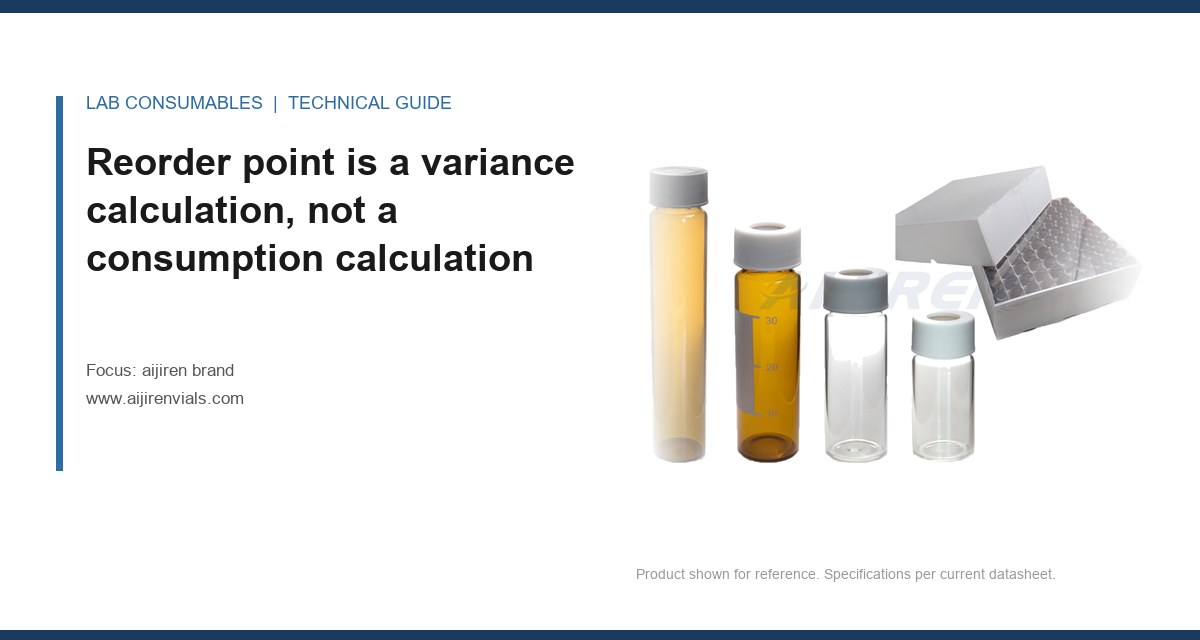
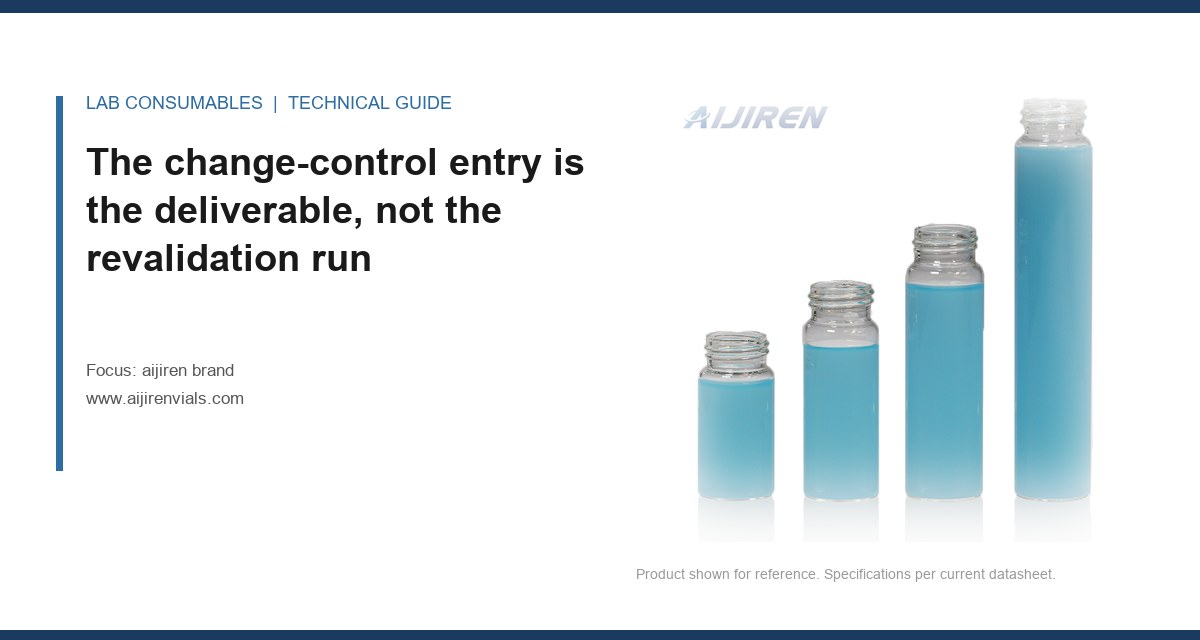
The 40 mL VOA format is the one that matters most for EPA work, but the closure dimensions have to match your autosampler and your crimper or screw-cap tooling. The VOA vial dimensional reference lays out the families. For method compliance, three numbers matter:
- 20 mm closure for the standard 40 mL screw-thread VOA vial. This is the format most SW-846 volatile methods assume. Cap torque 10 to 12 in-lb.
- Septa thickness 0.125 in (3.2 mm) for PTFE-faced silicone. Thinner septa core more easily; thicker ones may not seat.
- Vial height and OD tolerance tight enough that the autosampler gripper does not mis-seat the vial. A 0.5 mm OD drift is enough to cause a mis-pick on some robots, and a mis-picked vial is a lost injection and a rerun.
I keep a go/no-go gauge at the bench for the 20 mm thread and check a sample from each incoming lot. It takes 30 seconds and catches the dimensional drift that a certificate alone will not.
The troubleshooting checklist I hand to every new analyst
When a volatile result looks wrong and the instrument is clean, run this in order. It is written for the container side of the problem, because that is where I find the cause most often.
- Check headspace. Any visible bubble in a 40 mL vial is a deviation. Re-collect if the hold time allows.
- Check cap torque. Calibrated driver, 10 to 12 in-lb. Log the value.
- Check septum type. PTFE-faced silicone for volatiles. Plain silicone is a fail.
- Check septum puncture count. More than three punctures on a quant vial means replace it.
- Check arrival temperature. ≤6 °C, documented. A warm vial is a cold-chain finding, not a container finding.
- Check pH. pH <2 where the method requires acid preservation. Document the paper or meter reading.
- Check lot traceability. Vial, septum, and cap lots all present in the log and matching the certificates.
- Run a septum blank. Extract an unused septum from the suspect lot and inject. If it releases the analyte, the lot is the problem.
For the instrument-side checks (column, inlet, detector), the Agilent GC columns and accessories and Thermo Fisher chromatography resources cover the hardware. The Restek technical library has good material on volatile loss and inlet effects. But start with the container. It is cheaper to check and more often the cause.
What to write into your SOP so the next audit is boring
The decision rule is simple and I will state it plainly. For any method governed by SW-846 volatile or semivolatile requirements, specify the aijiren 40 mL VOA vial with a PTFE-faced silicone septum, a 20 mm closure torqued to 10 to 12 in-lb, zero headspace at collection, arrival temperature ≤6 °C documented, and a container-closure log that ties every sampling event to a lot number with its certificate on file. Then check a sample from each incoming lot with a go/no-go gauge and a septum blank before the box goes to the field.
That combination is what turns an auditor's question from "show me the certificate" into a two-minute answer instead of a finding. The method does not care about the brand name on the box. It cares that the container delivered the properties the method assumed, and that you can prove it. Get the paperwork and the torque value right, and the chemistry takes care of itself.
References & further reading
Related resources from our lab consumables network:
- Aijiren Brand at aijirenvials.com
- Voa Vial at voavial.com
- Septa at septacaps.com
- Vial Septa at vialsepta.com
External references and standards: