I have spent the better part of two decades sourcing, molding, and shipping chromatography consumables, and I still get the same question from procurement teams: why does one 2 mL vial cost three times another when both look identical on a spec sheet? The answer almost never lives in the drawing. It lives in the polymer lot, the annealing oven, the septa batch test, and whether the manufacturer can hold a tolerance across a million units instead of the twelve you happened to sample. This article breaks down what actually separates a reliable aijiren brand manufacturer into three buckets: materials, quality control, and OEM capability. I will use real numbers, real failure modes, and the specific checks I run before I sign off on a supplier.
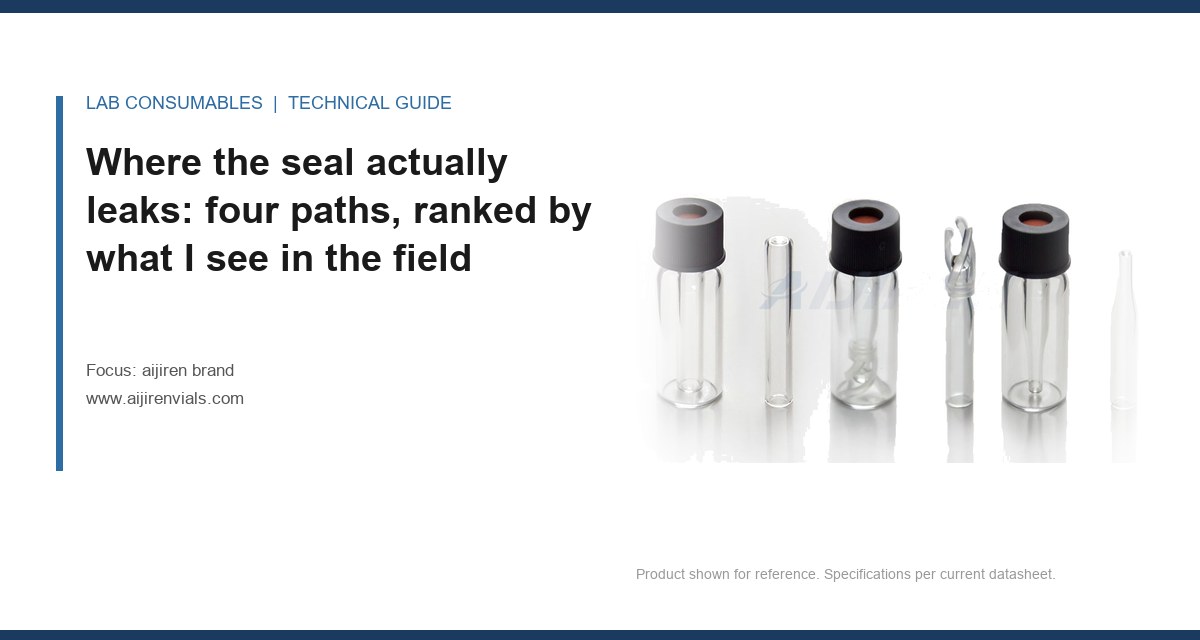
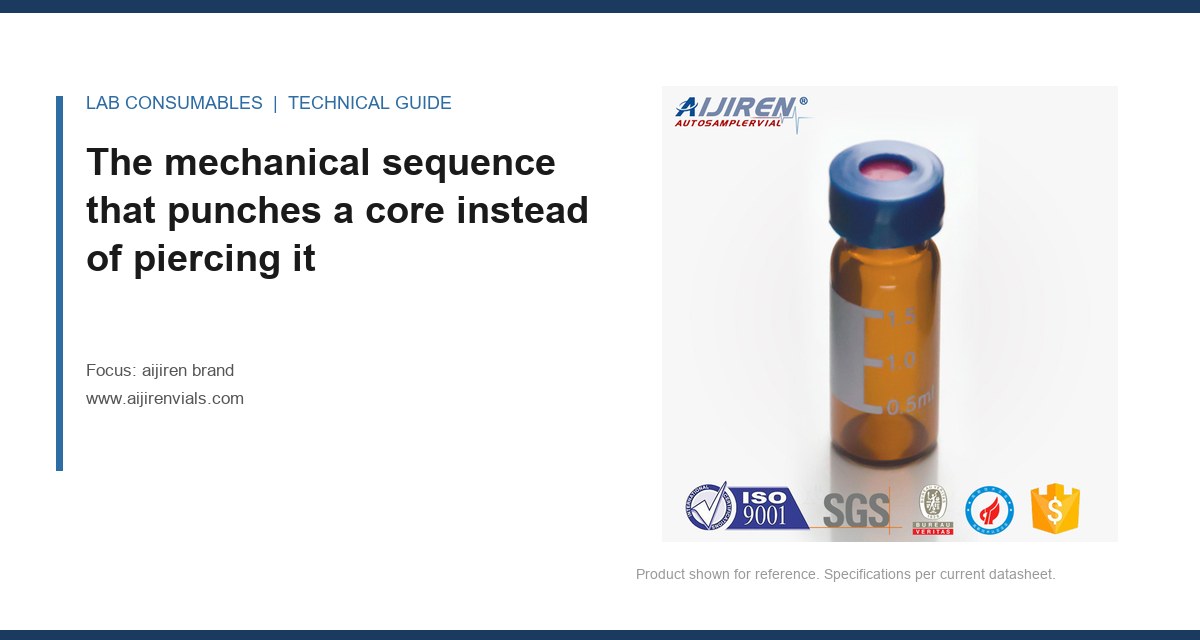
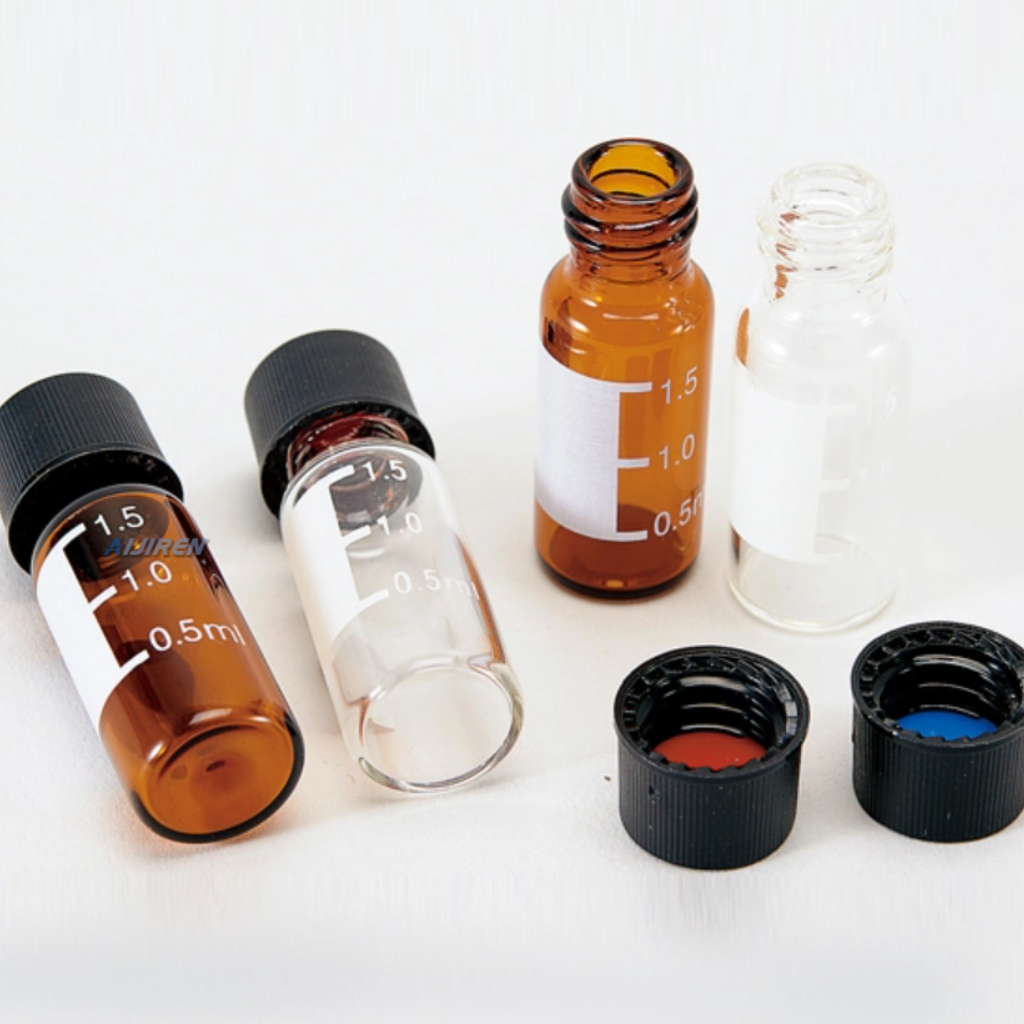
A column gets the credit. The vial gets the blame. When you see a ghost peak at 3.2 minutes that only appears on Tuesdays, or a syringe that jams on the 40th injection, the root cause is usually upstream of the instrument. The vial and its closure are a three-material system: borosilicate glass, an elastomer septum, and an aluminum or magnetic cap. Each one has its own failure mode, and they interact.
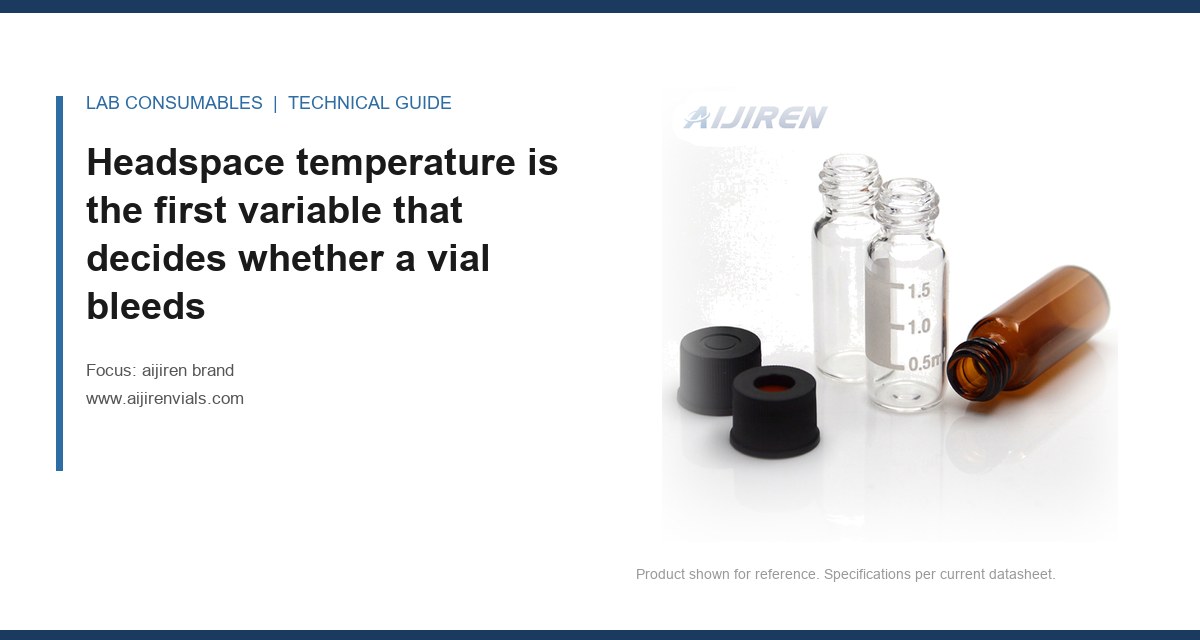
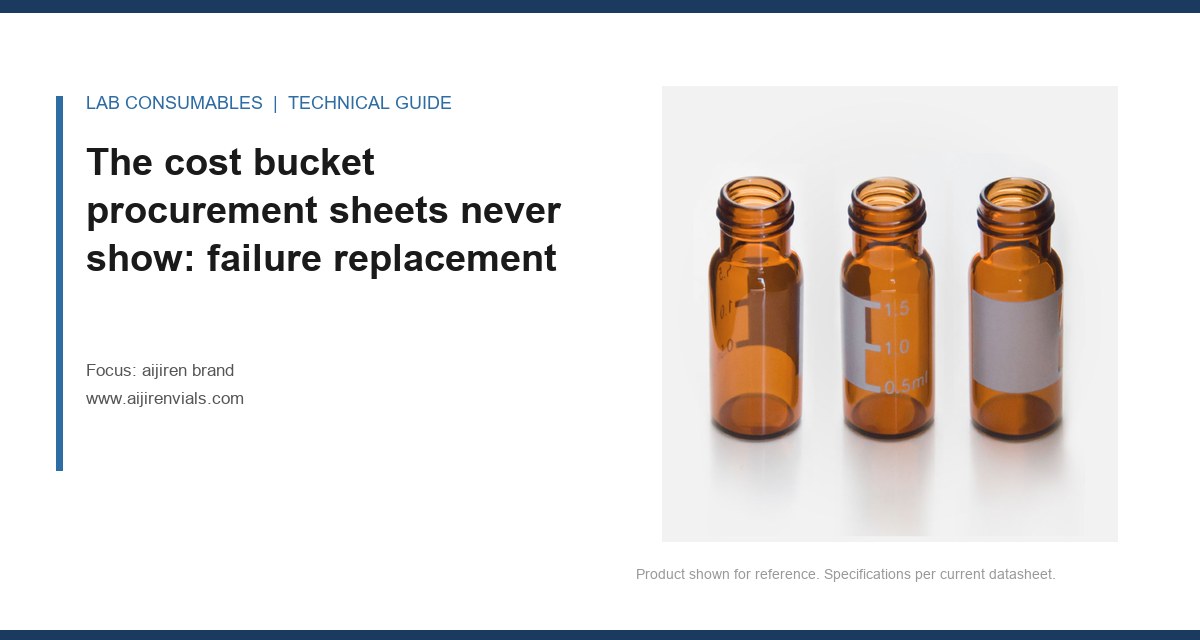
Glass chemistry sets the baseline. USP Type I borosilicate (boron trioxide content around 13%) is the reference grade for HPLC and GC autosamplers because its hydrolytic resistance limits ion leaching. Type III soda-lime glass is cheaper and perfectly fine for some general sample storage, but it will release sodium and calcium into aqueous mobile phases over time, and that shows up as baseline drift or spurious peaks in ion chromatography and LC-MS. I have watched a lab chase an intermittent sodium adduct for two weeks before someone checked the glass lot number. The vial was Type III. The method was fine.
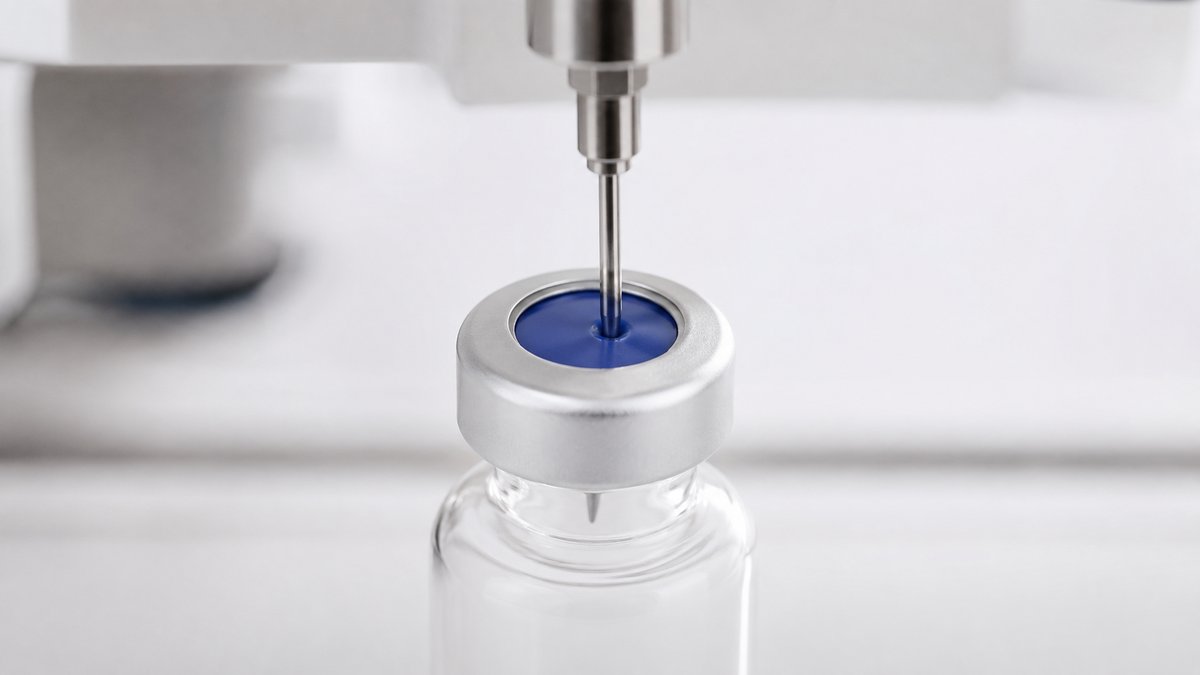
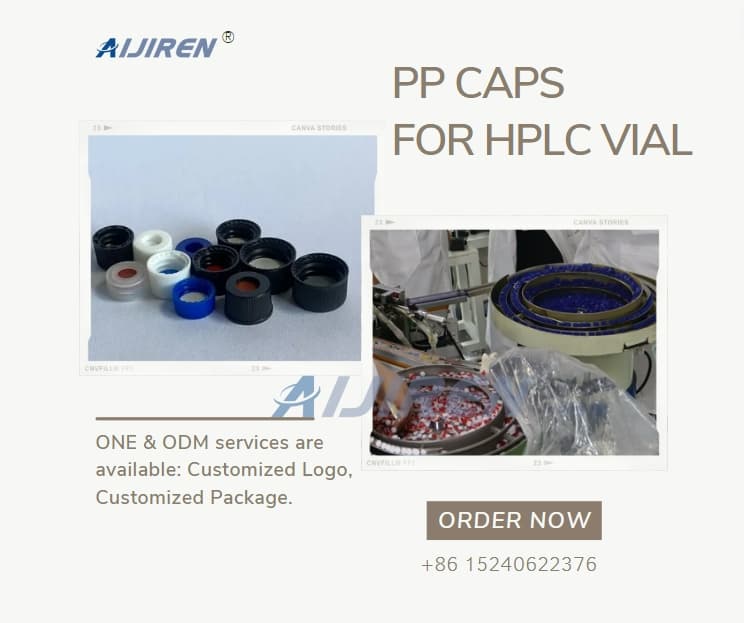
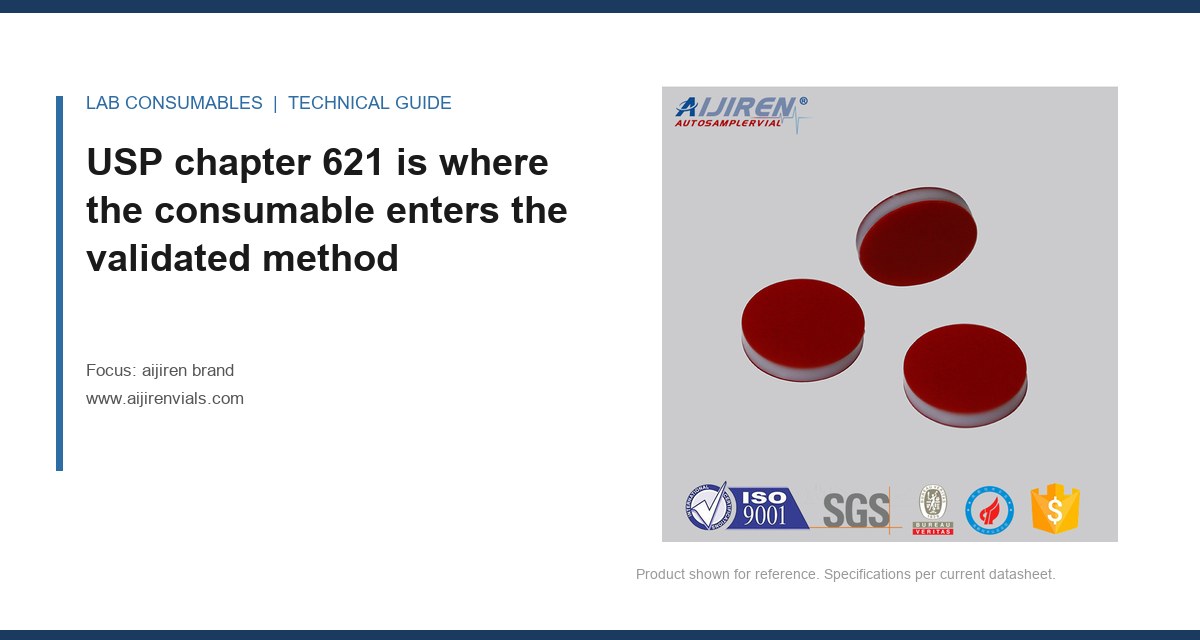
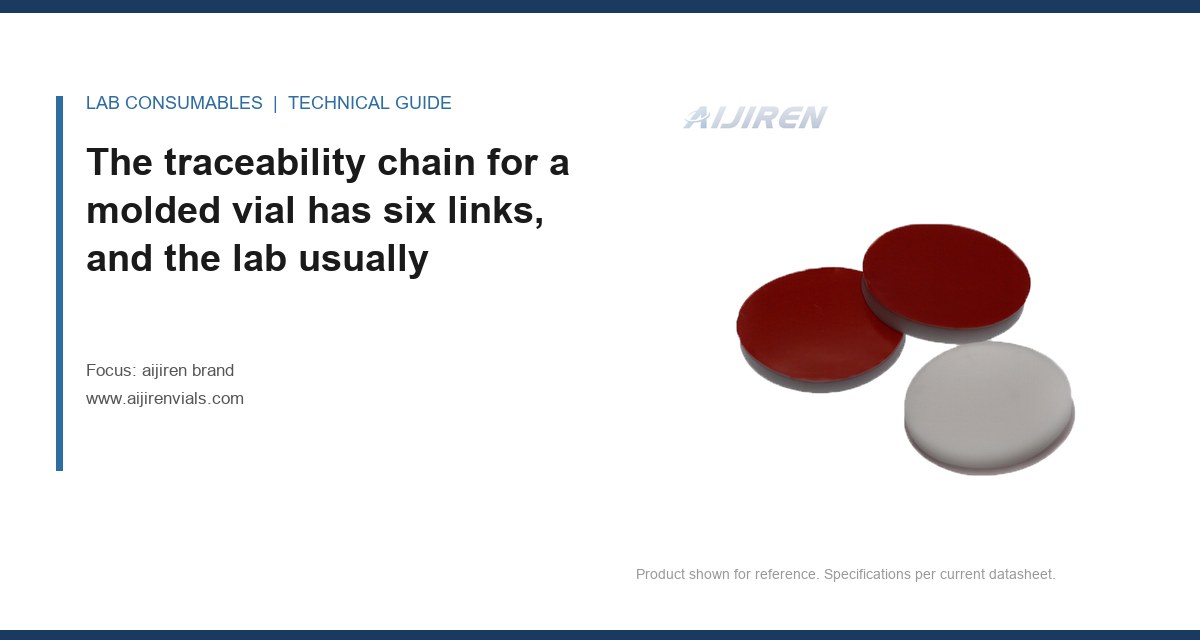
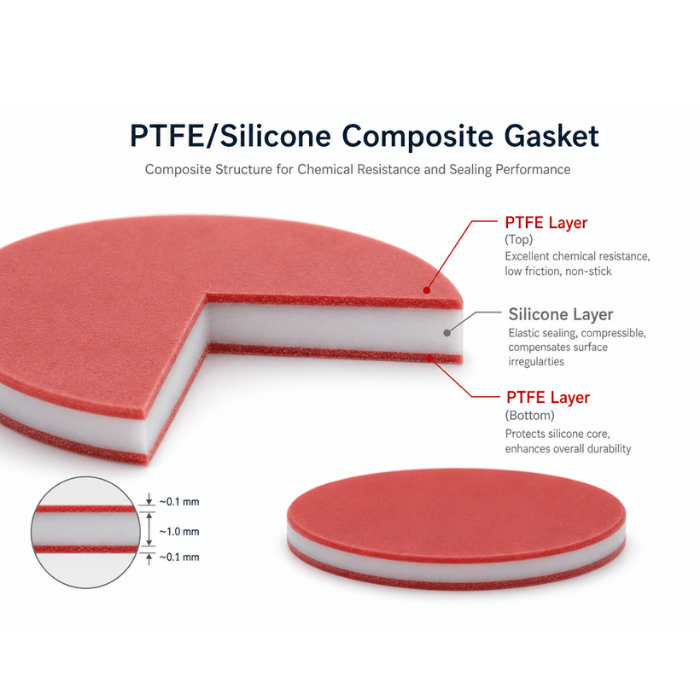
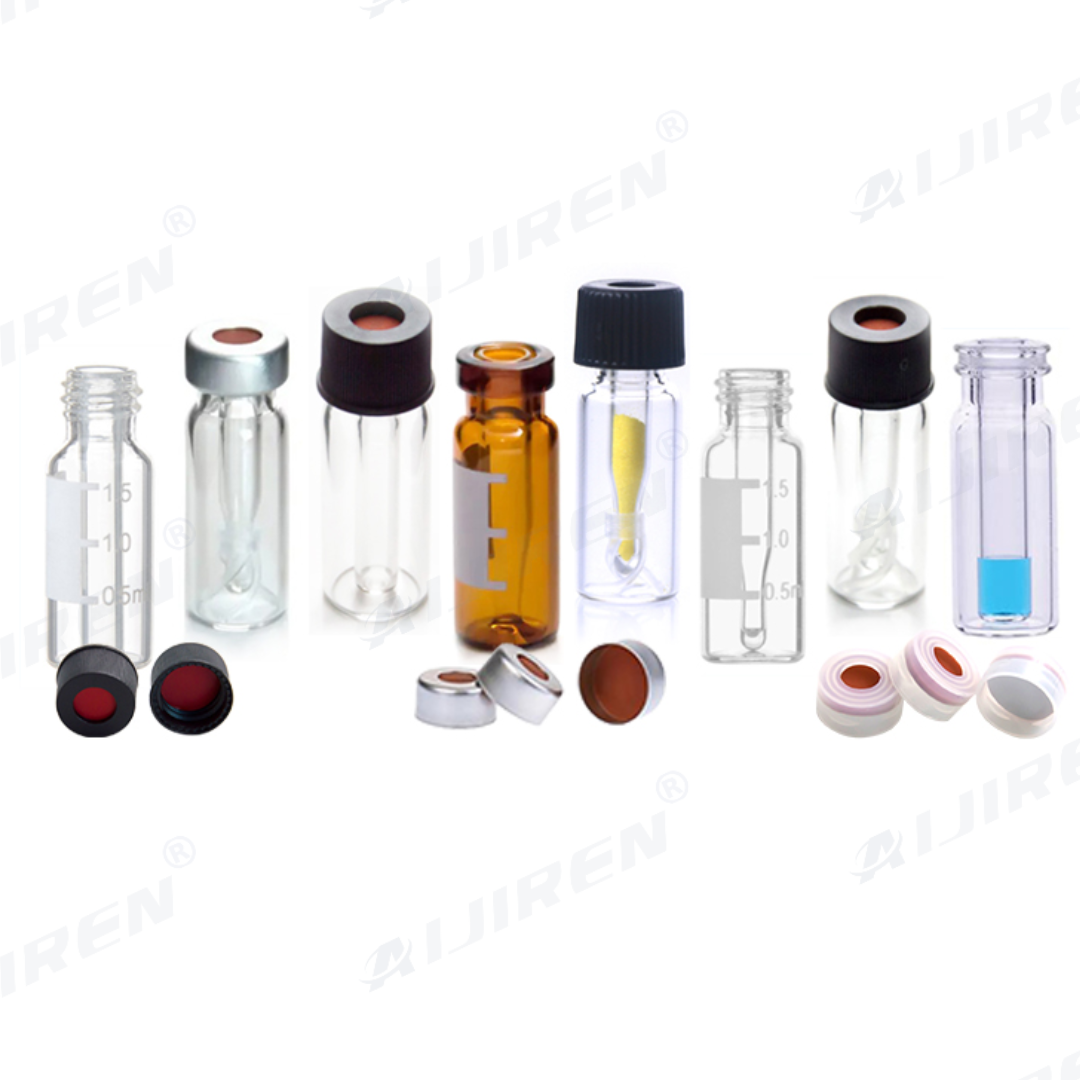
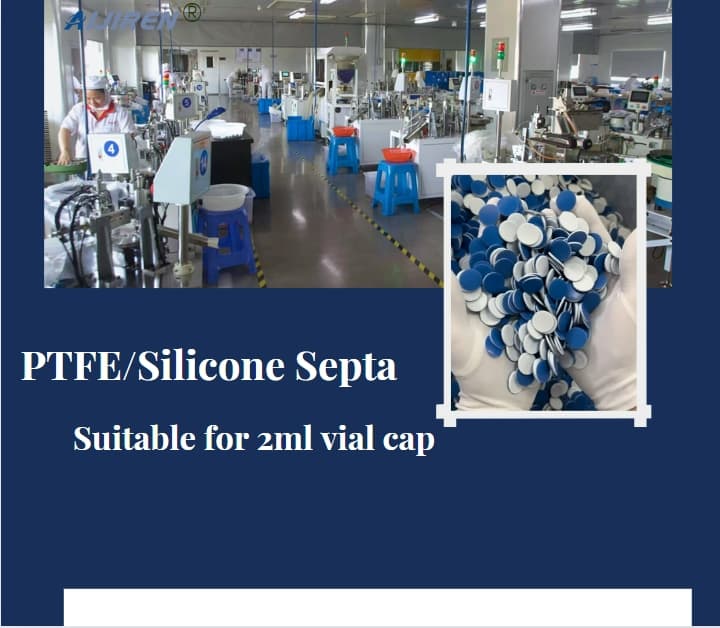
Septa are where the real variability hides. A 11 mm septa for a crimp vial is not just a disc of rubber. It is a laminate: PTFE facing on the sample side, then a silicone or butyl core, sometimes a second PTFE layer on the instrument side. The PTFE is there to stop the sample touching the reactive elastomer. The core provides resealability. The wrong laminate, or the right laminate molded at the wrong temperature, gives you coring, fragmentation, and injection-port debris.
This is why I tell buyers to stop treating vials as a commodity line item and start treating them as a metrology component. The aijiren brand portfolio is built around that premise, and the rest of this article explains how to audit whether any manufacturer, including ours, actually delivers on it.
Materials: what to specify and what to reject
Glass: dimensional tolerance and hydrolytic class
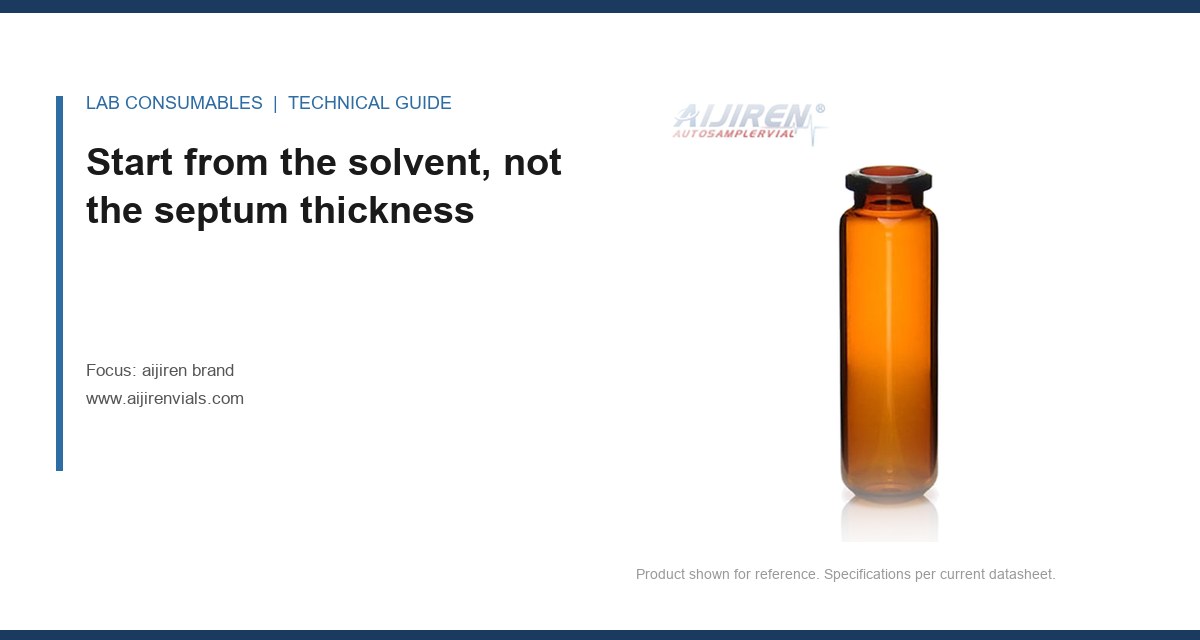
The two numbers that matter most on a 2 mL autosampler vial are the outer diameter and the crimp or screw-thread geometry. Standard 12 x 32 mm vials have an OD tolerance that should hold to ±0.2 mm; anything looser and you get gripper failures on the autosampler carousel or, worse, a vial that seats at an angle and the needle bends. Neck finish for crimp vials should meet the 11 mm crimp standard, and for screw-thread vials the 9 mm short-thread or 10-425 geometry must be consistent enough that the cap engages in under one full turn without cross-threading.
Ask for the hydrolytic resistance test result per lot. USP <660> defines the powder test and the surface test; Type I glass should show a low alkaline release. If a supplier cannot produce a per-lot glass certificate, that is a red flag. I have rejected entire shipments over a 0.4 mm OD excursion that only showed up when I ran 500 vials through a go/no-go gauge. The supplier's own QC had sampled 20 pieces from the top of the carton. The problem was in the bottom layer.
For LC-MS work, pay attention to whether the glass is silanized or deactivated. Underivatized borosilicate can adsorb basic analytes at low concentrations. A deactivated surface treatment reduces that, but it also adds a process step the manufacturer has to control. Ask what the treatment is and whether it is verified by a recovery test, not just claimed on the datasheet.
Septa: laminate, hardness, and the puncture count that matters
Here is the number I use in every supplier review: puncture count before coring. A good 11 mm PTFE/silicone septum for a crimp vial should survive at least 50 to 100 punctures with a 23-gauge needle before visible coring or fragmentation appears under a 10x loupe. Cheap septa start shedding at 15 to 20. That difference is the difference between a clean run and a needle clog at hour six.
Material selection follows the application:
- PTFE/silicone: the default for HPLC and GC. Good resealability, wide temperature range (roughly -40 °C to 200 °C for the silicone core), low bleed. Not ideal for very long storage of volatile analytes because silicone is permeable.
- PTFE/butyl: lower gas permeability, better for headspace and long-term sample storage, but poorer resealability after multiple punctures.
- PTFE/silicone with a slit: for SPME and for autosamplers that use a side-port needle. The slit reduces coring dramatically, but it also increases evaporation. Use it only when the method tolerates it.
- Molded PTFE-lined septa for high-temperature GC inlets, where a laminated disc can delaminate at 250 °C and above.
The laminate bond is the failure point nobody tests. A septum that delaminates mid-run drops a PTFE flake into the vial and a silicone disc into the inlet. I have a photo of exactly that from a lot that passed a hardness check but failed a 200 °C bake test. The lesson: specify both a hardness (Shore A, typically 45 to 55 for silicone septa) and a delamination test after thermal cycling.
For a deeper look at how septa are specified across cap styles, the septa and caps reference is worth bookmarking, and the vial septa guide covers the laminate options in more detail.
Caps and closures: torque, crimp geometry, and magnetic compatibility
Crimp caps are aluminum, usually 11 mm, with a wall thickness around 0.25 to 0.30 mm. Too thin and the crimp tears; too thick and the crimper cannot seat it. The crimp height should land at roughly 5.5 mm after crimping with a calibrated crimper, and the seal should be verified by a pressure decay or dye penetration test on a sample basis. I have seen a 0.05 mm wall variation cause a 2% leak rate on a headspace method, which is enough to fail an EPA method validation.
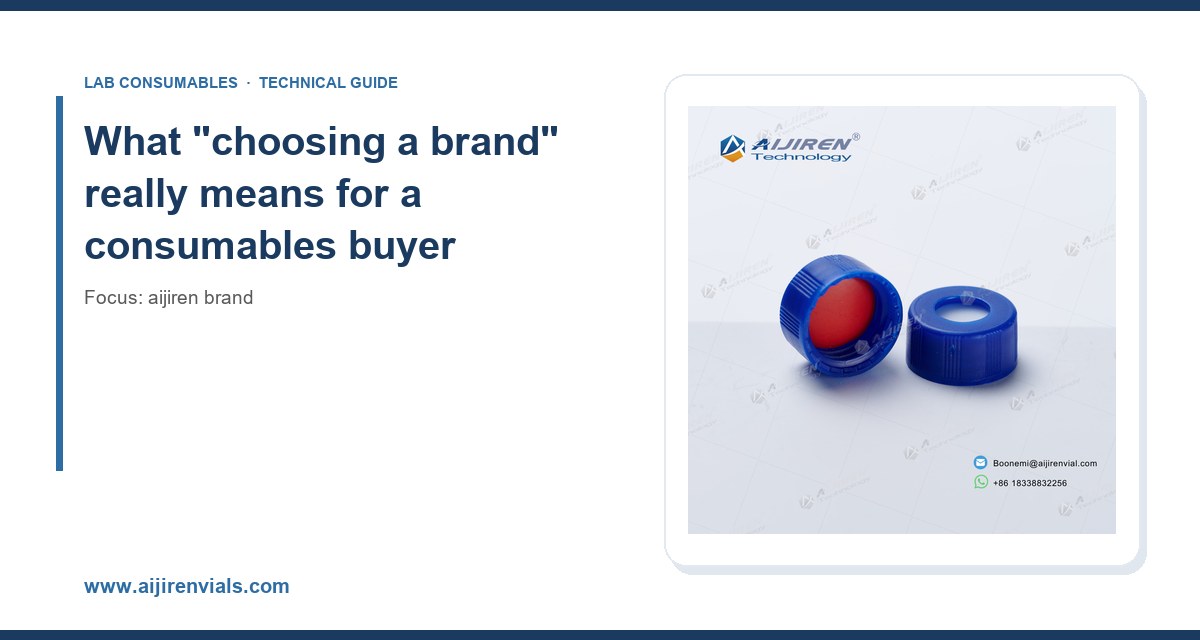
Screw caps for 9 mm short-thread vials need a controlled torque. Hand-tightening is not a specification. A calibrated torque driver should land at 0.8 to 1.2 N·m for a 9 mm cap; over-torque deforms the septum and creates a coring path, under-torque leaks. If your lab does not own a torque driver, buy one. It costs less than a single failed batch.
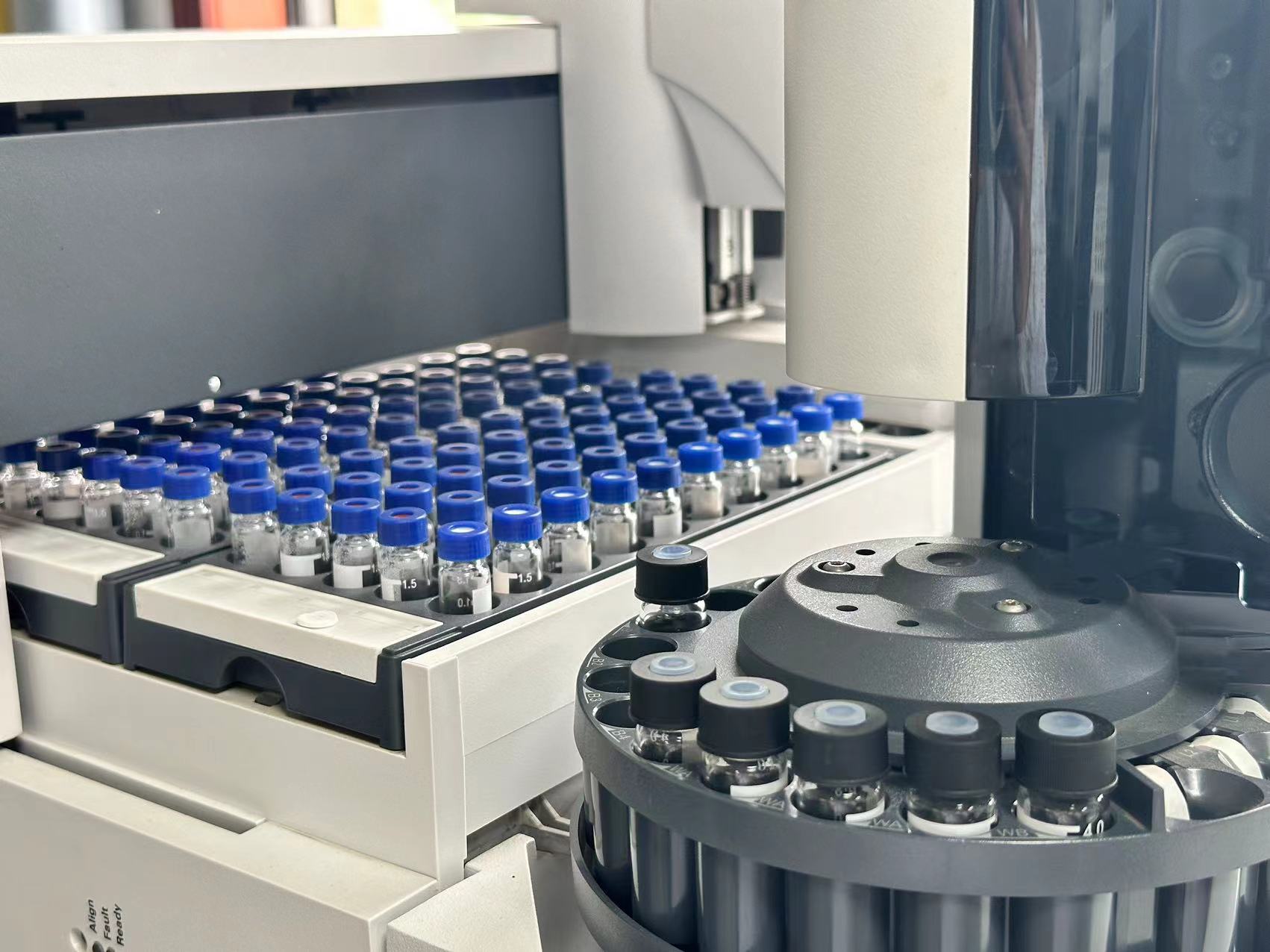
Magnetic caps for robotic autosamplers add another variable: the magnet grade and its pull force. A weak magnet drops the vial in transit. A strong one can interfere with nearby electronics. Specify the pull force and test it on the actual autosampler, not on a bench.
Quality control: the tests that catch what visual inspection misses
Visual inspection catches broken glass and missing septa. It does not catch a 0.3 mm dimensional drift, a delaminating laminate, or a lot of glass with elevated alkaline release. A real QC program runs the following, and a reliable manufacturer will show you the data without being asked twice.
Incoming material and in-process checks
- Glass dimensional audit: go/no-go gauges on OD, height, and neck finish, sampled at a statistically valid AQL (I use AQL 1.0 for critical dimensions).
- Hydrolytic resistance: per-lot USP <660> surface test on a sample of vials.
- Septa hardness and thickness: Shore A durometer and micrometer thickness on every septum lot, with a ±0.05 mm thickness tolerance.
- Laminate bond test: thermal cycling to 200 °C followed by a peel or bend test to confirm the PTFE has not separated.
- Crimp seal integrity: dye penetration or pressure decay on crimped samples, with a documented leak-rate threshold.
- Extractable/leachable screening: at minimum, a GC-MS scan of a solvent blank stored in the vial for 24 hours at 40 °C. This is where you catch plasticizers and mold release agents.
The extractables screen is the one I insist on. A vial that looks perfect can leach a phthalate or a slip agent into your sample. If the manufacturer cannot show a blank chromatogram from a 24-hour storage test, you are the test.
Traceability and lot control
Every carton should carry a lot number that ties back to the glass melt, the septum batch, and the assembly date. I want to be able to take a suspect vial from a customer complaint and trace it to the exact molding run within an hour. If the answer is "we will check with the factory," the traceability is not real. Reliable manufacturers keep lot records for at least three years, which matches typical pharmaceutical retention requirements.
For regulated labs, the manufacturer's own quality system should be auditable against ISO 9001, and for pharma customers, ISO 13485 or a documented ISO 15378 (primary packaging) alignment is a reasonable ask. Ask for the certificate scope, not just the logo.
A QC comparison checklist you can run in an afternoon
Here is the checklist I use to compare two suppliers side by side. Score each line pass/fail; a supplier that fails more than two lines does not get a second meeting.
- Per-lot glass certificate with hydrolytic resistance result: required
- OD tolerance held to ±0.2 mm on a 50-piece sample: required
- Septa puncture count ≥50 before coring, 23-gauge needle: required
- Laminate delamination test after 200 °C bake: required
- Crimp leak rate below 1% on a 100-piece sample: required
- 24-hour extractables blank chromatogram provided: required
- Lot traceability to melt and septum batch within 1 hour: required
- ISO 9001 certificate with scope covering the product line: required
- Written change-control notification (any material or process change triggers a 90-day notice): required
- On-site audit access within 30 days of request: preferred
That last line separates the real manufacturers from the trading companies. A trading company cannot give you audit access because it does not own the line.
OEM capability: the part most buyers underestimate
OEM is not just putting your logo on a carton. It is the ability to hold a specification across a custom run, document it, and repeat it next quarter. I have seen three failure modes in OEM relationships, and all three are avoidable if you ask the right questions up front.
Tooling and dimensional control for custom formats
If you need a non-standard vial, say a 12 x 32 mm with a 9 mm short thread and a 300 µL insert, the manufacturer has to either own the mold or control the molder. Ask who owns the tooling. If the answer is "our partner," you have no leverage and no guarantee the tool will not be used for a competitor's product. A reliable OEM partner either owns the tool or gives you a tooling agreement with exclusivity terms.
Dimensional control on custom runs should be documented with a first-article inspection (FAI) report, including a ballooned drawing with every critical dimension measured. I require an FAI on the first 100 pieces of any new SKU, and I re-run it after any tooling maintenance.
Change control and specification lock
The single most damaging OEM failure is a silent material change. A supplier swaps a septum core from one silicone grade to another because of a supply shortage, and six months later your method fails validation. The fix is a written change-control clause: any change to glass composition, septum laminate, cap alloy, or molding parameters triggers a 90-day written notice and a re-qualification run at the customer's site. Put it in the contract. Then test it by asking for a change history on an existing SKU. If they cannot produce one, they do not track changes.
Specification lock also means a locked drawing with a revision number. Every shipment should reference the revision. If the carton does not carry a revision, you cannot prove what you received.
Volume, lead time, and the honest capacity conversation
Ask for the actual monthly capacity and the current utilization. A manufacturer running at 95% utilization cannot absorb your surge, and will either delay you or subcontract, which breaks traceability. I want to see at least 20% headroom on the line that will run my product, and a stated lead time that is backed by a production schedule, not a sales promise.
For aijiren OEM programs, the practical numbers I would quote a procurement manager are: standard catalog lead times of 2 to 4 weeks for stocked SKUs, 6 to 8 weeks for custom tooling runs, and a minimum order quantity that scales with the tool. Anything promising a custom vial in two weeks is either lying or sitting on inventory they cannot trace.
Documentation package for regulated buyers
An OEM partner that serves pharma and contract labs should hand you a documentation package without a fight: certificate of analysis per lot, certificate of conformance, material safety data sheets, and a change-control procedure. For EPA-method work, the package should also confirm the vial and septum are compatible with the method's sample preservation and storage requirements. The U.S. EPA SW-846 test methods are the reference many environmental labs work to, and the storage and holding-time requirements in those methods are where a bad septum shows up as a failed recovery.
Where materials, QC, and OEM actually meet: three failure modes I have dealt with
Failure mode 1: the Tuesday ghost peak
A contract lab reported an intermittent peak at 3.2 minutes on an LC-MS method, appearing roughly one run in five. The column was fine. The mobile phase was fresh. The vial lot was new. We ran a 24-hour storage blank on the suspect lot and found a plasticizer at exactly 3.2 minutes. The septa had been molded with a release agent that was not fully cured. The fix was a laminate change and a new cure profile, and the lesson was that extractables screening has to be per-lot, not per-product-launch.
Failure mode 2: the crimper that was never calibrated
A headspace lab was seeing 3 to 5% leak failures on a method that should have been under 1%. The vials were in spec. The septa were in spec. The crimper had drifted and was sealing at 5.1 mm instead of 5.5 mm. A $200 crimper calibration and a torque/height gauge fixed a problem that had been blamed on the supplier for a month. Buy the gauge. Calibrate it quarterly.
Failure mode 3: the silent silicone swap
An OEM customer had a validated method on a PTFE/silicone septum. The manufacturer's silicone supplier changed a curing agent, and the new core had a different compression set. Punctures that used to reseal at 50 now leaked at 30. Nobody told the customer because the drawing did not specify the cure chemistry. The fix was a specification lock that named the cure system and a 90-day change notice. That clause has saved me more than one customer relationship.
These three cases are why I treat the aijiren brand specification as a living document. The VOA vial line, for example, carries a different septum specification than the standard HPLC line because the headspace method has different permeability requirements. One spec does not fit all applications, and a manufacturer that pretends otherwise is telling you they have not thought about it.
How to benchmark against the majors without paying major prices
Agilent and Thermo Fisher set the reference for instrument-matched consumables, and their published specifications are a useful benchmark even if you buy elsewhere. The Agilent chromatography consumables catalog lists dimensional and material specs you can compare line by line, and Thermo Fisher's chromatography and sample handling documentation covers autosampler compatibility in detail. Use those specs as the floor, not the ceiling.
For method development and troubleshooting, the Restek technical resources library has practical guidance on septa selection and inlet maintenance that applies regardless of whose vial you buy. I point new lab managers there because the guidance is method-focused rather than product-focused.
The benchmark exercise is simple: take a major-brand vial and a candidate vial, run the same 50-puncture test, the same 200 °C delamination test, and the same 24-hour extractables blank. Compare the chromatograms side by side. If the candidate matches, you have a qualified alternative. If it does not, you have saved yourself a validation failure.
Troubleshooting checklist for incoming vial and septum lots
When a lot misbehaves, work through this in order. It catches about 90% of the problems I see.
- Ghost peaks or baseline drift: run a 24-hour solvent blank in the suspect vial at 40 °C. If peaks appear, the septum or glass is leaching. Check the laminate and the glass type.
- Needle coring or inlet debris: inspect the septum under 10x loupe after 20 punctures. If you see a plug or fragments, the septum hardness or laminate is wrong, or the needle gauge is too large for the septum.
- Leak failures on headspace: check crimp height (target 5.5 mm) and torque (0.8 to 1.2 N·m for 9 mm screw caps). Then check the septum compression set.
- Autosampler gripper errors: measure OD on 50 vials. If any exceed ±0.2 mm, the lot is out.
- Injection volume variability: check for a partially seated vial or a deformed septum. A septum that bulges after crimping is over-compressed.
- Recovery failures on environmental methods: confirm the vial and septum are compatible with the method's preservation and holding time. Refer to the SW-846 method for the specific analyte class.
My recommendation: a specification-first sourcing approach
If you take one thing from this article, take the sourcing sequence. Write the specification first, with numbers: glass type, OD tolerance, septum laminate, hardness, puncture count, crimp height, torque, extractables limit, and change-control notice period. Then ask each candidate to meet it with per-lot data. Then run the benchmark tests on a sample before you place a production order.
For a typical HPLC or GC lab, the concrete parameters I would put in the spec are: USP Type I borosilicate glass, 12 x 32 mm format, ±0.2 mm OD tolerance, 11 mm crimp or 9 mm short-thread closure, PTFE/silicone septum at 45 to 55 Shore A, ≥50 punctures before coring, crimp height 5.5 mm, screw torque 0.8 to 1.2 N·m, and a 24-hour extractables blank with no detectable plasticizer. Add a 90-day change-control clause and a three-year lot retention requirement. That spec is auditable, and any manufacturer that can meet it is a real partner rather than a reseller.
The aijiren brand is built to that spec, and the OEM program is designed so a procurement manager can hold us to it with data rather than trust. If a supplier cannot show you the per-lot certificate, the puncture count, and the change history, the price difference you are chasing is a liability, not a saving.
References & further reading
Related resources from our lab consumables network:
- Aijiren Brand at aijirenvials.com
- Voa Vial at voavial.com
- Septa at septacaps.com
- Vial Septa at vialsepta.com
External references and standards: