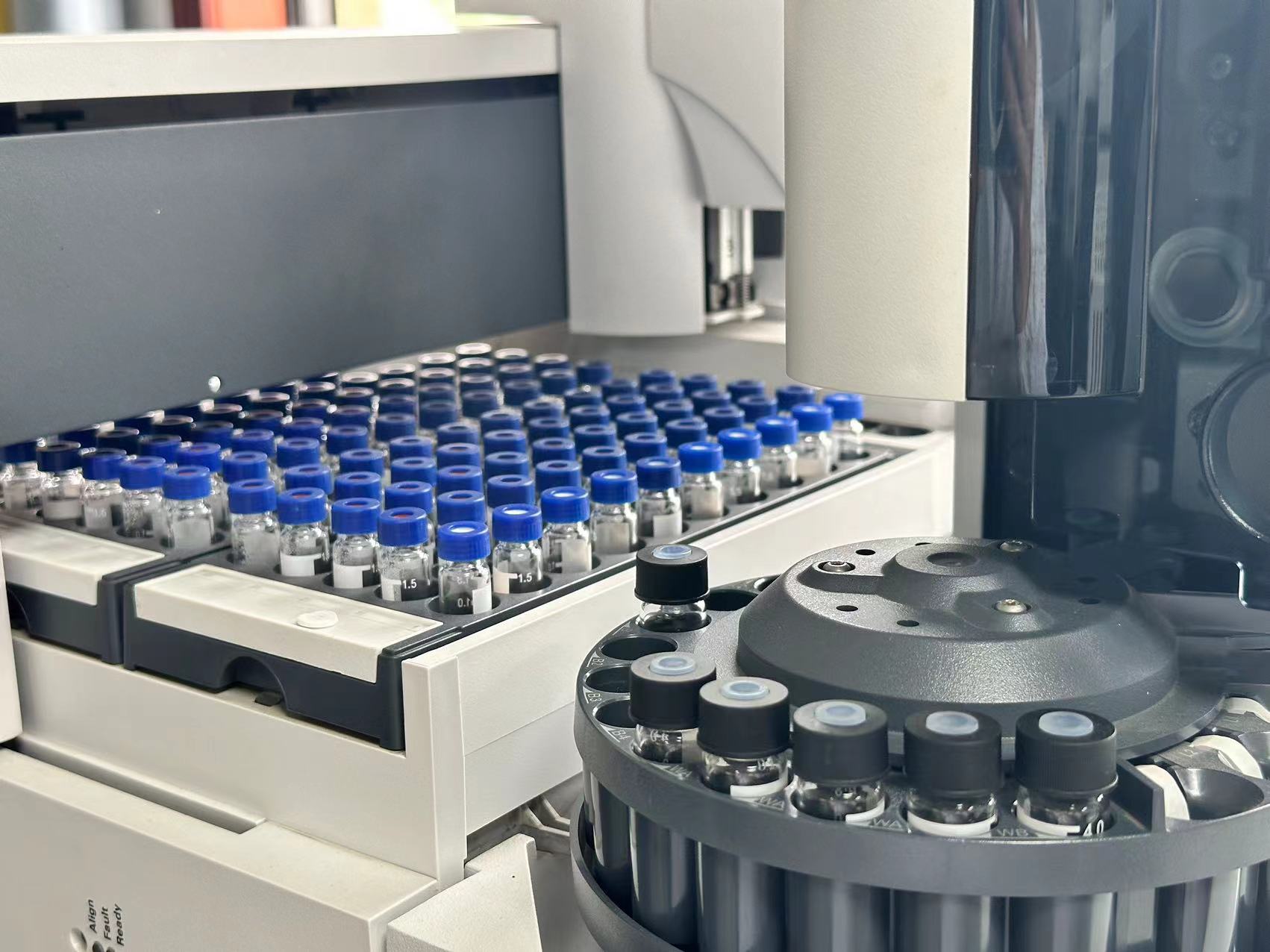
Last spring a QC lab running EPA 8260 volatiles called me about a failing sequence. Their 2 mL vials were filled to 1.7 mL, the autosampler was drawing from a 200 µL pool, and by injection 40 the internal standard response had dropped 18% below the calibration curve. Nothing was wrong with the instrument. The vial was sized for the sample, not for the injection count, and the septum had been punctured enough times that the hole no longer resealed between draws. That is the whole problem in one sentence: aijiren brand capacity and puncture life have to be matched to the injection count before the first run, not after the twentieth.
This guide is about the arithmetic. It assumes you already know what the aijiren line is and roughly which dimensional family fits your autosampler. What it covers is how to pick a fill volume, a residual volume, a needle gauge, and a septum grade so that the vial survives every injection you plan to take from it, with margin. The aijiren brand catalog prints capacity and septum data on the box; the job here is turning those numbers into a decision.
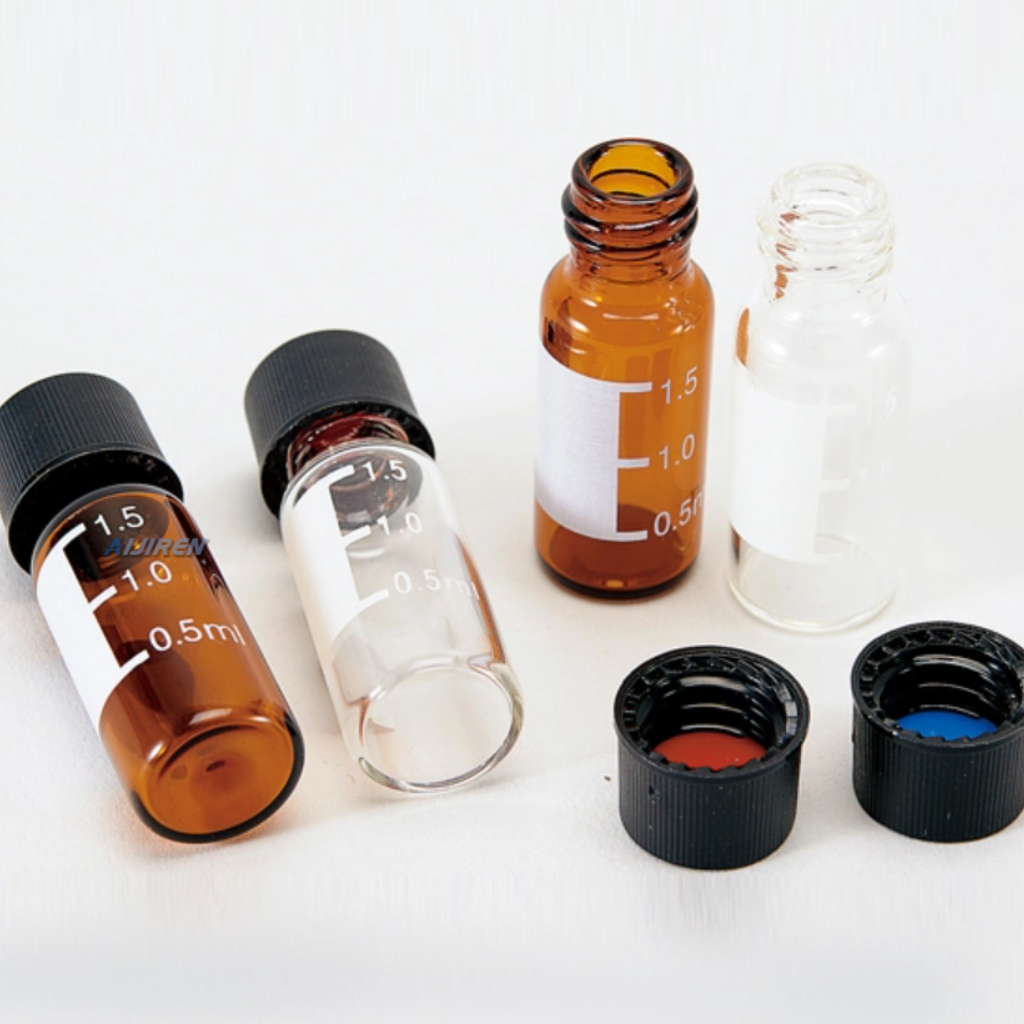
Every 2 mL autosampler vial I have measured holds about 2.2 to 2.4 mL to the brim. The useful number is smaller. A standard 12 × 32 mm vial with a 6 mm neck and a 40% fill has roughly 1.5 mL of liquid, which leaves an ullage of about 0.7 mL. That headspace is not wasted. It is the buffer that lets the autosampler needle reach liquid without dragging the septum into the sample.
The mistake I see most often is filling to the shoulder because the analyst wants "enough sample." Two things go wrong. First, the needle, especially a fixed-height needle on a liquid handler, can bottom out or sit in the cone and pull a slug of air. Second, if the vial is capped and the septum is pierced at a fill that high, the liquid level can rise into the septum and wet it. A wet septum is a leaking septum.
My working rule for aijiren 2 mL vials on a standard autosampler is a fill of 0.8 to 1.2 mL for a 10 µL injection, and 1.0 to 1.4 mL for a 1 µL injection where the needle sits higher. The upper bound is set by the shoulder, not the brim. The lower bound is set by dead volume, which is the next section.
Dead volume and the 150 µL floor
Dead volume is the liquid you cannot get out. On a 12 × 32 mm vial with a 6 mm neck and a conical interior, the residual volume below the needle tip is typically 100 to 200 µL depending on where the needle stops. If you draw 10 µL per injection and you have 1.2 mL in the vial, you have 120 injections of liquid and about 100 injections before the needle starts pulling air. The vial does not know how many injections you planned. It only knows how much liquid is left above the tip.
This is where the injection count arithmetic starts. If your method takes 10 µL per injection and you want 50 injections from one vial, you need 500 µL of drawable liquid plus the dead volume plus a safety margin. That is 500 + 150 + 100 = 750 µL minimum fill. If your method takes 100 µL per injection, 50 injections need 5 mL, which no 2 mL vial can hold. You need a larger vial or a smaller injection.
I keep a simple formula on the bench:
- Minimum fill (µL) = (injection volume × injection count) + dead volume + 100 µL margin
- For a 10 µL injection × 50 injections + 150 µL dead + 100 µL margin = 750 µL
- For a 1 µL injection × 100 injections + 150 µL dead + 100 µL margin = 350 µL
If the number comes out above the shoulder line of your vial, you are not going to solve it with a bigger fill. You need a different vial format, or you need to split the run across two vials. The VOA vial format is the usual answer when the sample volume itself is the constraint.
Puncture life is a count, not a claim
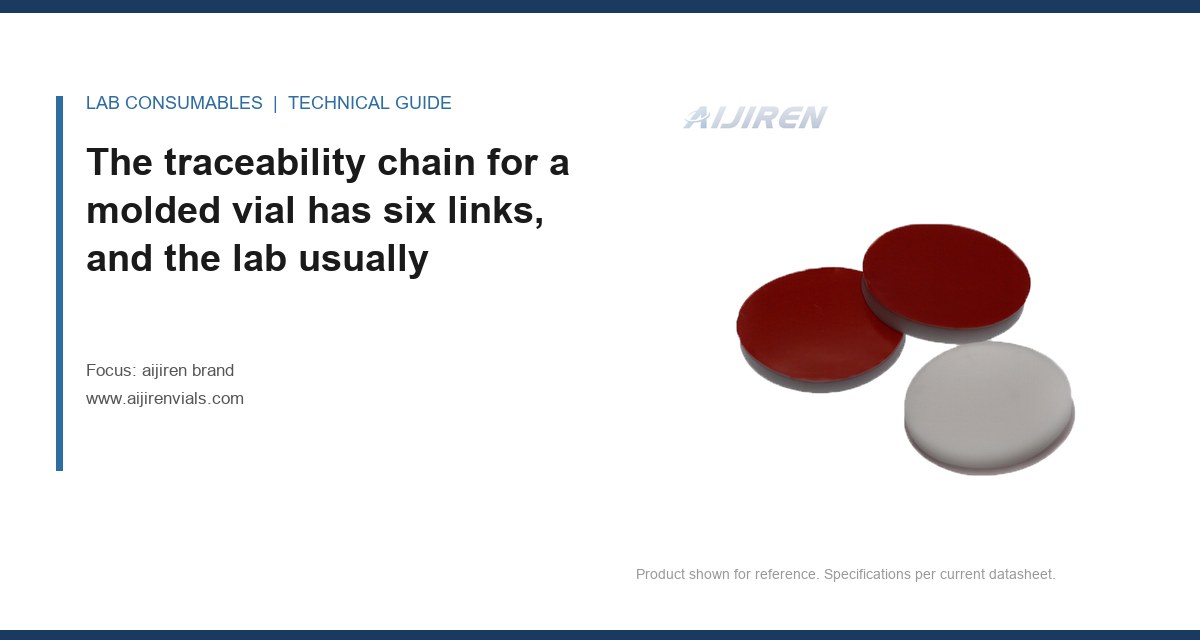
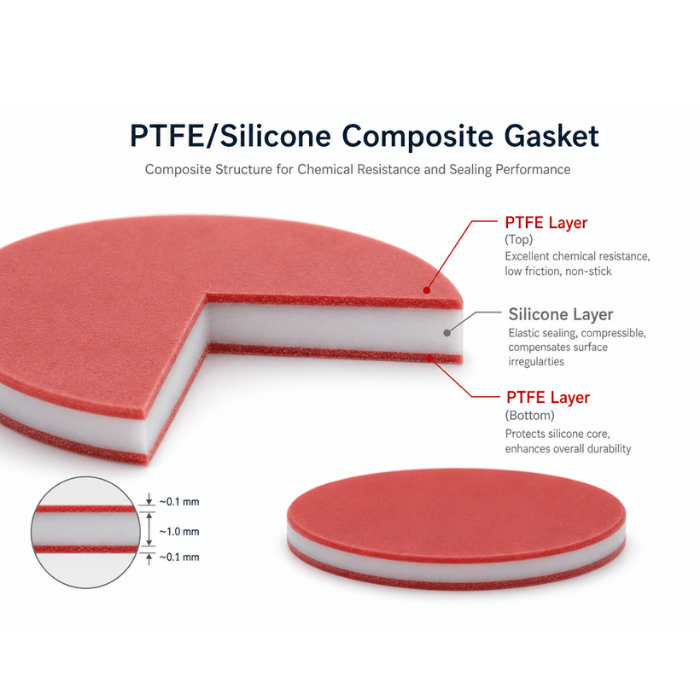
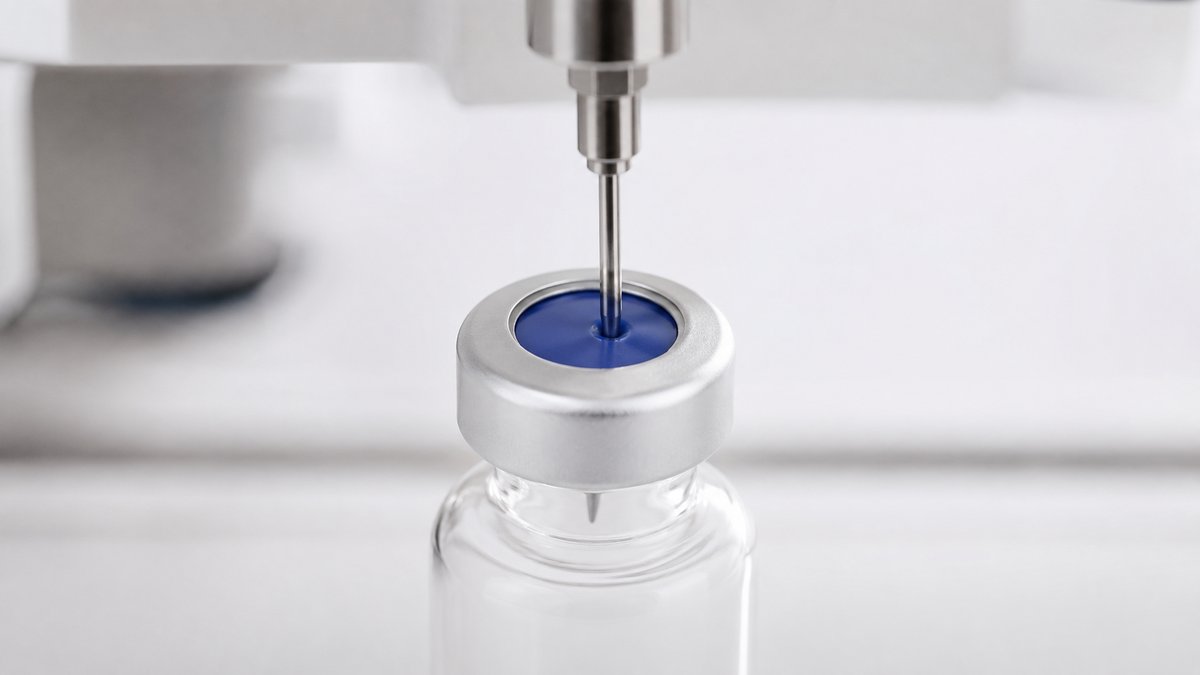
Septum puncture life is quoted as a number on the datasheet, and that number is almost always a best case. A silicone-faced septum with a PTFE film on a 12 mm cap is typically rated for 50 to 100 punctures on a 22 gauge needle under clean conditions. Under real conditions, with a 20 gauge needle and a sample that contains a little matrix, I would not trust it past 30 to 40.
The arithmetic that matters is this: punctures per vial = injections per vial. If you take 40 injections from one vial, the septum sees 40 punctures, plus one for each standard addition, plus one for each time an analyst re-racks the vial. A run of 40 injections with two standard additions and one re-rack is 43 punctures. That is inside the 50-puncture rating but outside my comfort zone for a 20 gauge needle.
The needle gauge changes the arithmetic more than most buyers realize. A 22 gauge needle has an outer diameter of about 0.72 mm. A 20 gauge is 0.91 mm. A 26 gauge is 0.46 mm. The puncture area scales with the square of the diameter, so a 20 gauge makes a hole about 60% larger than a 22 gauge. That larger hole reseals more slowly and leaks more between injections. If your method allows a 22 or 23 gauge needle, use it. The puncture life roughly doubles.
The reseal test I run before a long sequence
Before I commit a method to 100 injections on one vial, I run a reseal test. Fill three vials with your matrix, cap them with the septum you plan to use, and puncture one 10 times, one 30 times, and one 60 times with the actual needle. Let them sit 15 minutes at room temperature, then weigh each on a balance to 0.1 mg. A vial that has lost more than 2 mg of mass has a leak path. A vial that has lost 5 mg or more is not resealing at all. I have seen a 20 gauge needle on a thin silicone septum lose 8 mg after 40 punctures, which is enough to shift a headspace result.
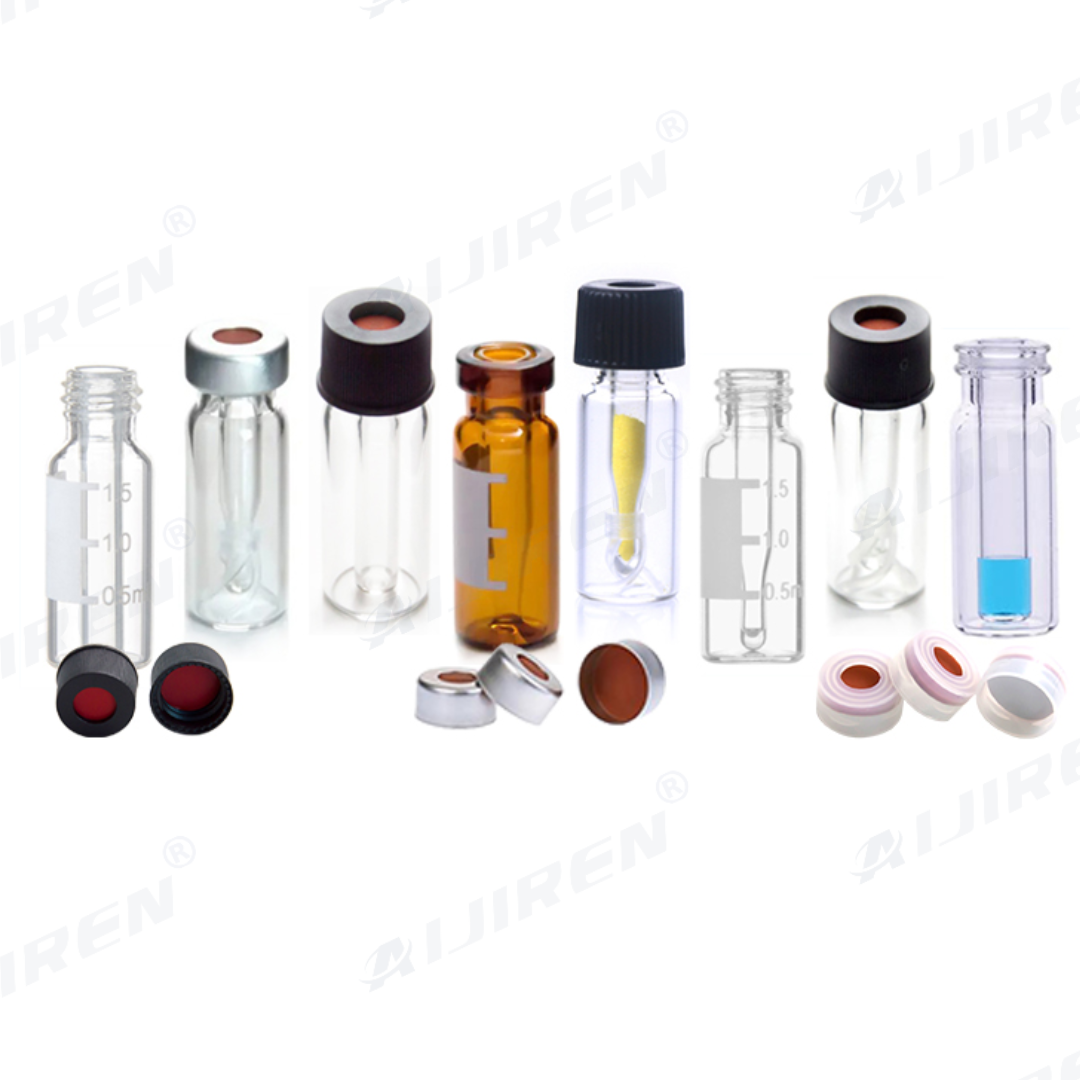
For septa specifically, the septa and cap combination matters more than the septum alone. A cap that does not compress the septum evenly will leak at the edge before it leaks at the puncture. The vial septa reference on compression and torque is worth reading before you pick a cap.
Torque and cap compression decide whether the puncture count is even real
I have watched a buyer specify a 100-puncture septum and then hand-crimp the caps with a cheap crimper set to whatever felt tight. The result was a leak at the cap edge by injection 15. The septum was fine. The seal was not.
For a 11 mm crimp cap on a 12 × 32 mm vial, the crimp should compress the septum by about 20 to 25% of its thickness. A 1.0 mm septum should end up at 0.75 to 0.80 mm under the cap. Too little compression and the septum is loose; too much and the silicone is pre-stressed and splits at the puncture. A torque wrench on a screw cap is easier to control than a hand crimper. For 9 mm screw caps, I set the torque to 0.8 to 1.2 N·cm and check with a torque tester every 50 caps. For 11 mm crimp caps, I check the crimp height with a caliper and reject anything outside ±0.1 mm.
If you are running a long sequence and you are not checking cap compression, you are guessing at puncture life. The number on the datasheet assumes a correctly sealed cap. The number you get in the lab depends on the crimper.
A decision table for injection count versus vial format
Here is the table I use when a lab asks which aijiren format to buy for a given injection count. The numbers assume a 22 gauge needle, a correctly crimped cap, and a matrix that is not unusually aggressive.
| Injection volume | Planned injections per vial | Minimum fill (µL) | Recommended format | Septum grade |
|---|---|---|---|---|
| 1 µL | 50 | 350 | 2 mL, 12 × 32 mm, 6 mm neck | Standard silicone/PTFE, 22 gauge |
| 1 µL | 100 | 350 | 2 mL, but split across 2 vials at 50 each | Standard silicone/PTFE |
| 10 µL | 50 | 750 | 2 mL, 12 × 32 mm | Standard silicone/PTFE |
| 10 µL | 100 | 1,250 | 2 mL, fill to 1.3 mL, split at 60 | Premium silicone/PTFE, 23 gauge |
| 100 µL | 20 | 2,250 | 4 mL or 10 mL VOA vial | Standard silicone/PTFE |
| 100 µL | 50 | 5,150 | 10 mL VOA vial | Standard silicone/PTFE |
The table is not a substitute for a reseal test, but it gets you into the right format before you spend money. The 10 µL × 100 row is the one that catches people. A 2 mL vial cannot hold 1,250 µL and still leave headspace, so the answer is either a larger vial or two vials at 60 injections each. Splitting the run is cheaper than buying a new autosampler rack.
Field case: the 18% drift that was a fill problem
The lab from the opening had a 2 mL aijiren vial, a 1.7 mL fill, and a 200 µL draw pool. The internal standard dropped 18% by injection 40. The first thing I checked was the septum, and it was intact. The second thing I checked was the fill level, and it was the problem. At 1.7 mL the liquid was above the shoulder, and the autosampler needle was drawing from a pool that had less than 150 µL of margin above the tip by injection 40. The needle was pulling a mix of liquid and headspace vapor, which diluted the internal standard.
The fix was not a new septum. It was a 1.2 mL fill and a re-rack at 30 injections. The drift went away. The lesson is that a fill volume that looks generous at the start of a sequence becomes a dead-volume problem at the end, and the injection count is what tells you where the end is.
Field case: the 8 mg mass loss that was a needle gauge problem
A different lab was running headspace on 20 mL vials with a 20 gauge needle and a 1.0 mm silicone septum. Their results were fine for the first 20 injections and then drifted. The reseal test showed 8 mg of mass loss after 40 punctures. The 20 gauge needle had made a hole too large for the silicone to close. Switching to a 23 gauge needle and a 1.5 mm septum brought the mass loss to under 1 mg at 60 punctures. The injection count did not change. The needle did.
This is the part of puncture life that the datasheet does not tell you. The rating is for a needle gauge and a septum thickness. Change either one and the number moves. If your method uses a 20 gauge needle because the sample is viscous, you need a thicker septum or a shorter sequence, and you need to say so in the method.
Matching the septum grade to the injection count, not the price
There are three septum grades I see in the aijiren line, and the right one depends on how many punctures you plan and how long the vial sits on the autosampler.
- Standard silicone/PTFE: rated 50 to 100 punctures on a 22 gauge needle. Good for sequences up to 40 injections. The PTFE film faces the sample and protects it from the silicone. This is the default for most HPLC and GC work.
- Premium silicone/PTFE with a thicker silicone layer: rated 100 to 150 punctures. Good for sequences up to 80 injections. The extra thickness costs about 20% more per cap and is worth it when you are trying to avoid a mid-sequence re-rack.
- Bimetal or layered septa: used when the sample reacts with silicone or when the temperature is above 100 °C. The puncture life is shorter, typically 30 to 50, because the layers separate at the puncture. Do not use these for long sequences unless you have tested them.
Temperature changes the arithmetic too. A septum at 40 °C reseals more slowly than one at 20 °C, and a headspace vial at 80 °C is a different animal. If your method heats the vial, derate the puncture life by 30 to 40%. A 100-puncture septum at room temperature is a 60-puncture septum at 80 °C. The Thermo Fisher chromatography and sample handling reference has a good table on septum behavior at temperature if you want the underlying data.
The pre-run checklist that prevents the re-rack
Before a sequence goes on the instrument, I run this checklist. It takes five minutes and it catches most of the failures I have described.
- Fill volume: measured with a graduated cylinder on three vials, not eyeballed. Target is 0.8 to 1.4 mL for a 2 mL vial, and the top of the liquid is below the shoulder.
- Dead volume: the needle tip sits at least 2 mm above the bottom of the vial, and the residual volume above the tip is at least 150 µL at the end of the sequence.
- Injection count: injections per vial × injection volume + dead volume + 100 µL margin is less than the fill volume. If not, split the run.
- Needle gauge: 22 or 23 gauge unless the sample requires larger. A 20 gauge halves the puncture life.
- Septum grade: matched to the injection count and the temperature. Derate by 30 to 40% if the vial is heated.
- Cap compression: crimp height within ±0.1 mm, or screw cap torque at 0.8 to 1.2 N·cm. Checked every 50 caps.
- Reseal test: three vials punctured 10, 30, and 60 times, weighed to 0.1 mg. Mass loss under 2 mg is acceptable.
If any line fails, the fix is usually a smaller fill and a re-rack, not a new vial. The U.S. EPA SW-846 test methods set the container requirements for volatiles, and the fill and headspace numbers in those methods are the floor, not the ceiling. Your method can be tighter.
What I tell a lab that is about to buy 10,000 vials
Do the arithmetic first. Take your injection volume, your planned injections per vial, and your dead volume, and put them in the formula. If the number is above 1.4 mL for a 2 mL vial, you are buying the wrong format. If the number is below 0.8 mL, you are wasting capacity and you should be splitting the run across more vials, not fewer.
Then do the reseal test on the actual needle and the actual septum. The datasheet puncture count is a starting point, not a specification. A 22 gauge needle on a standard silicone/PTFE septum will give you 40 to 50 reliable punctures. A 20 gauge needle on the same septum will give you 20 to 25. The difference is not the vial. It is the needle.
For a lab running 100 injections per sequence, the right answer is usually two vials at 50 injections each, a 1.2 mL fill, a 22 gauge needle, and a standard septum. That combination is cheap, it is repeatable, and it does not depend on a datasheet number that was measured under conditions you will never see. The Agilent GC columns and accessories documentation and the Restek technical resources both have useful tables on needle and septum compatibility if you want to cross-check your arithmetic against a second source.
The decision rule is this: size the vial so that the fill volume is at least the injection volume times the injection count plus dead volume plus 100 µL, and size the septum so that the puncture count is at least the injection count plus 20% margin at the actual needle gauge and temperature. If those two numbers do not fit the vial you have, change the vial format or split the run. Do not change the fill and hope.
References & further reading
Related resources from our lab consumables network:
- Aijiren Brand at aijirenvials.com
- Voa Vial at voavial.com
- Septa at septacaps.com
- Vial Septa at vialsepta.com
External references and standards: