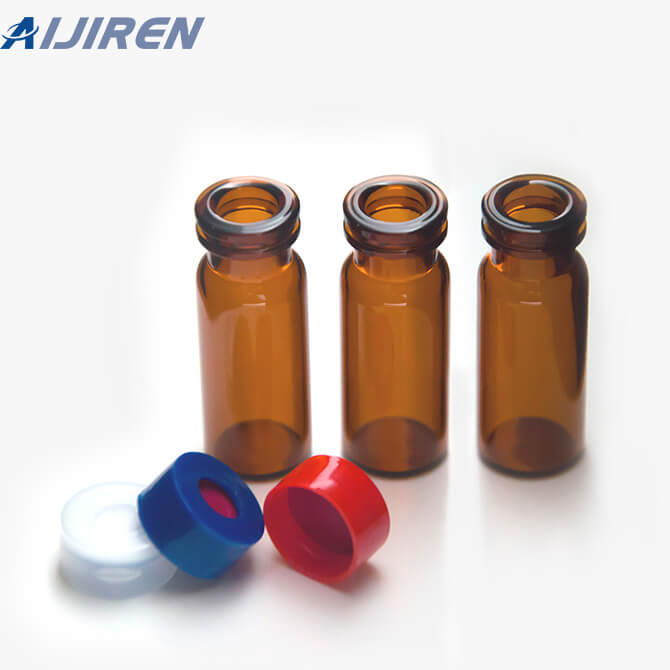
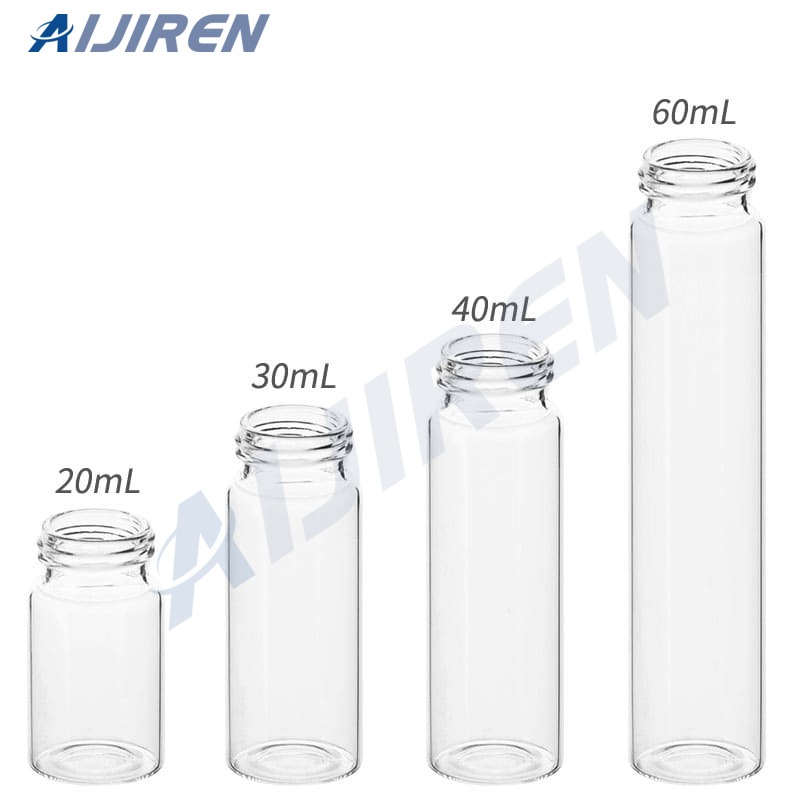
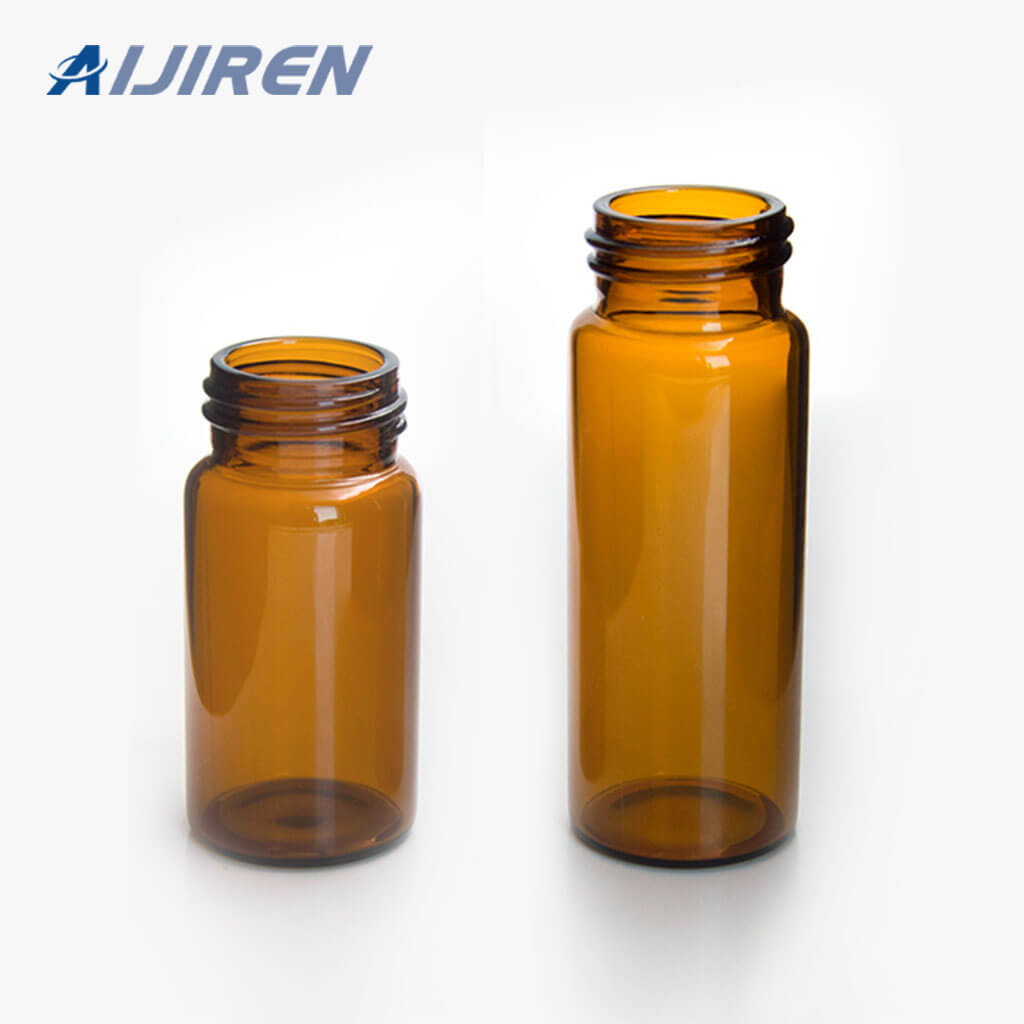
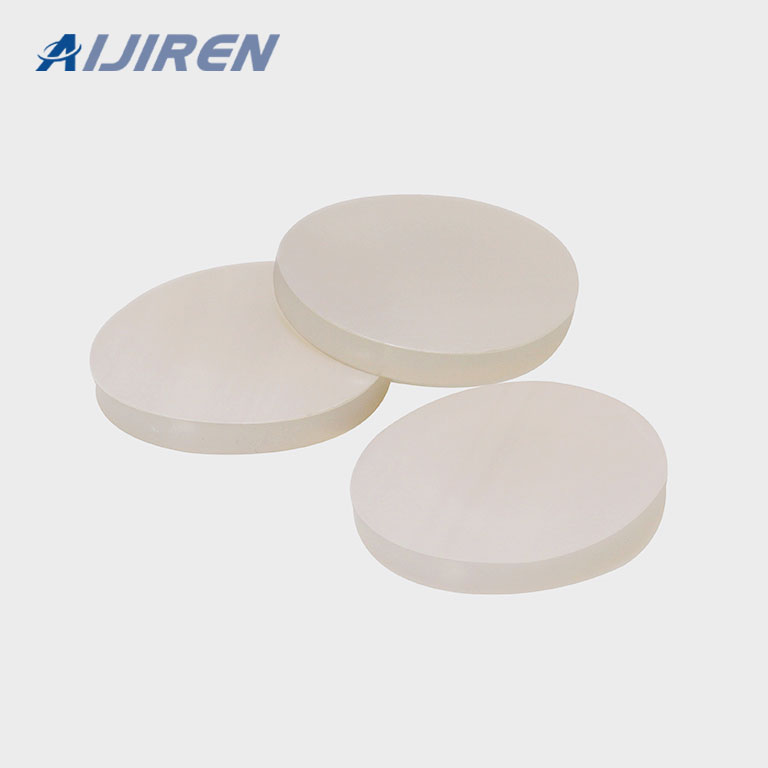
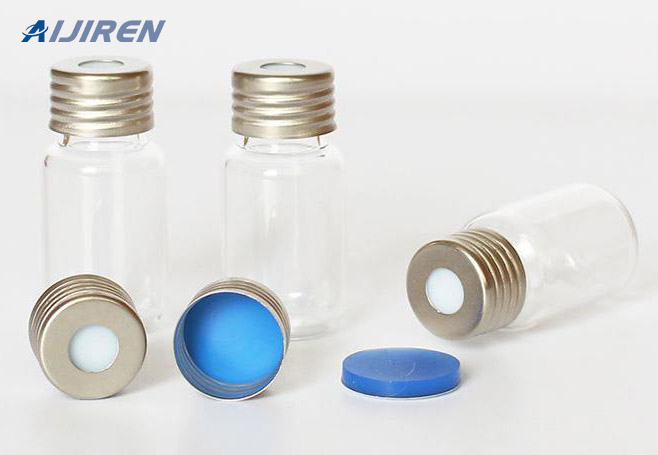
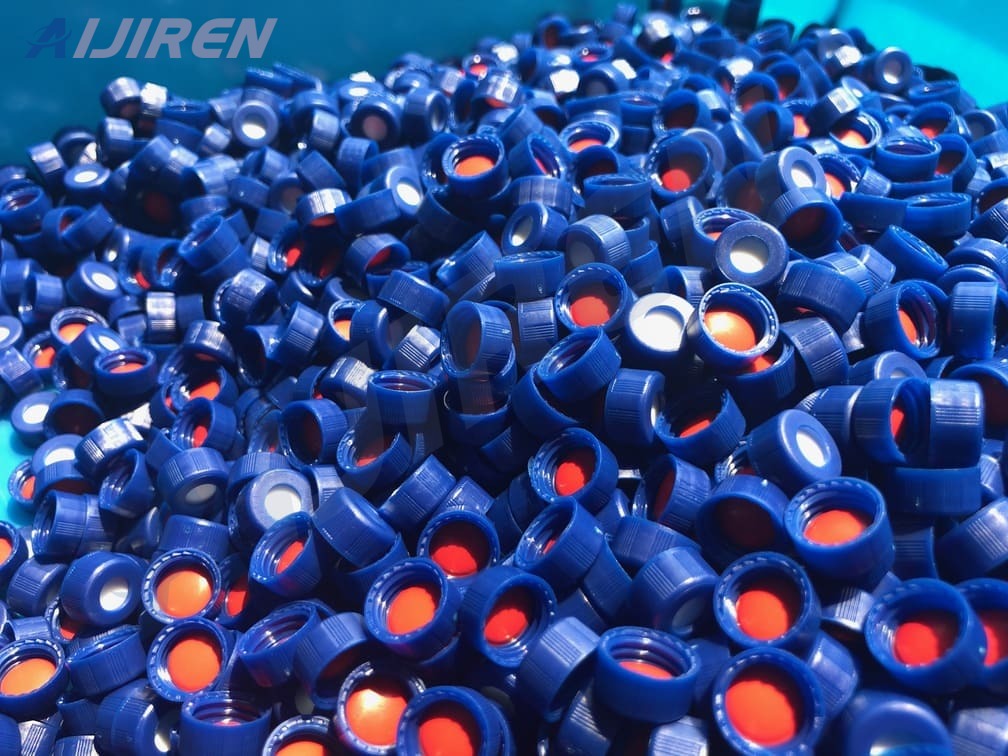
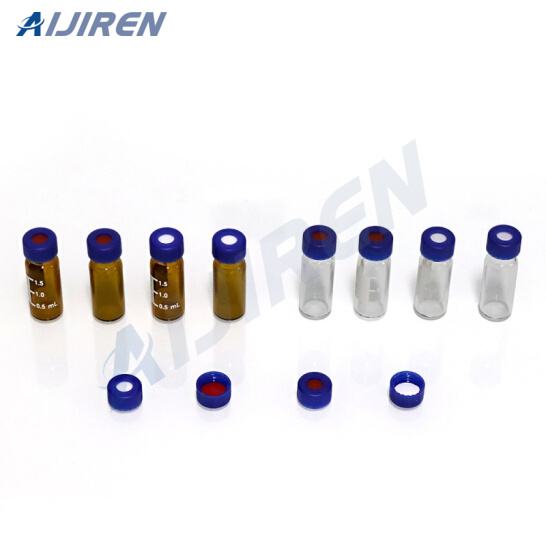
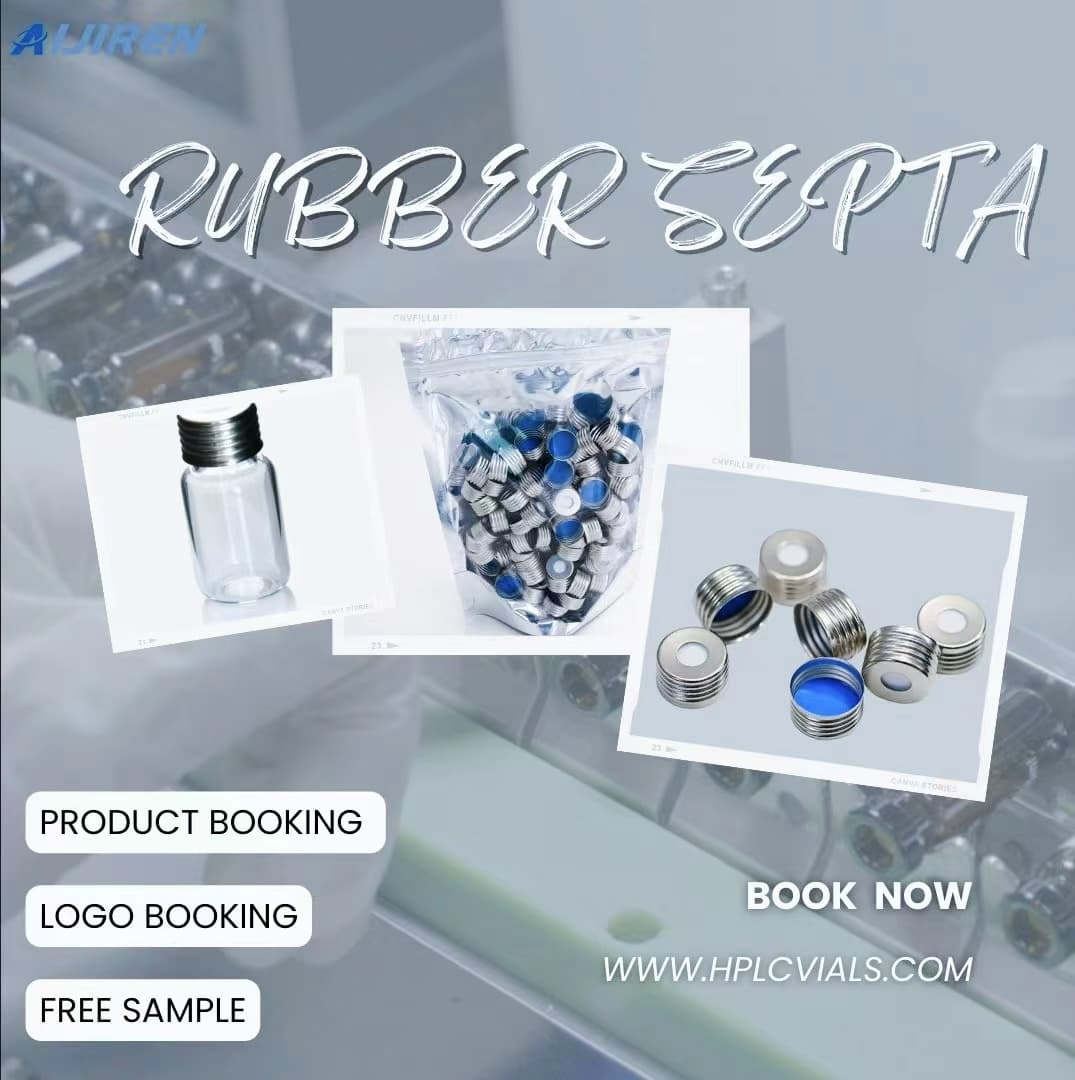
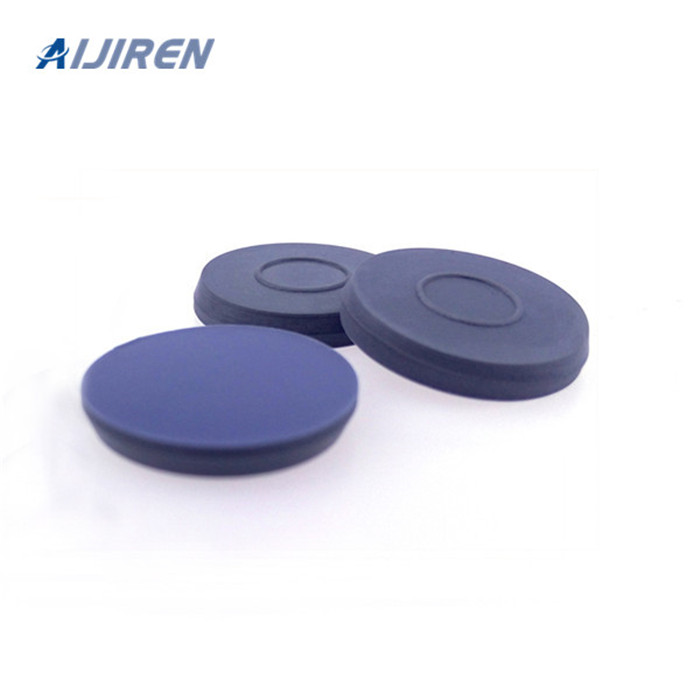
Rubber septa, also known as rubber stoppers or closures, are commonly used in laboratory settings and various industries to seal containers and provide a barrier against the outside environment.
They are made from various types of rubber, such as silicone or butyl rubber, which offer different properties and chemical resistance.
The primary purpose of rubber septa is to create an airtight seal to prevent contamination or evaporation of the contents within a container.
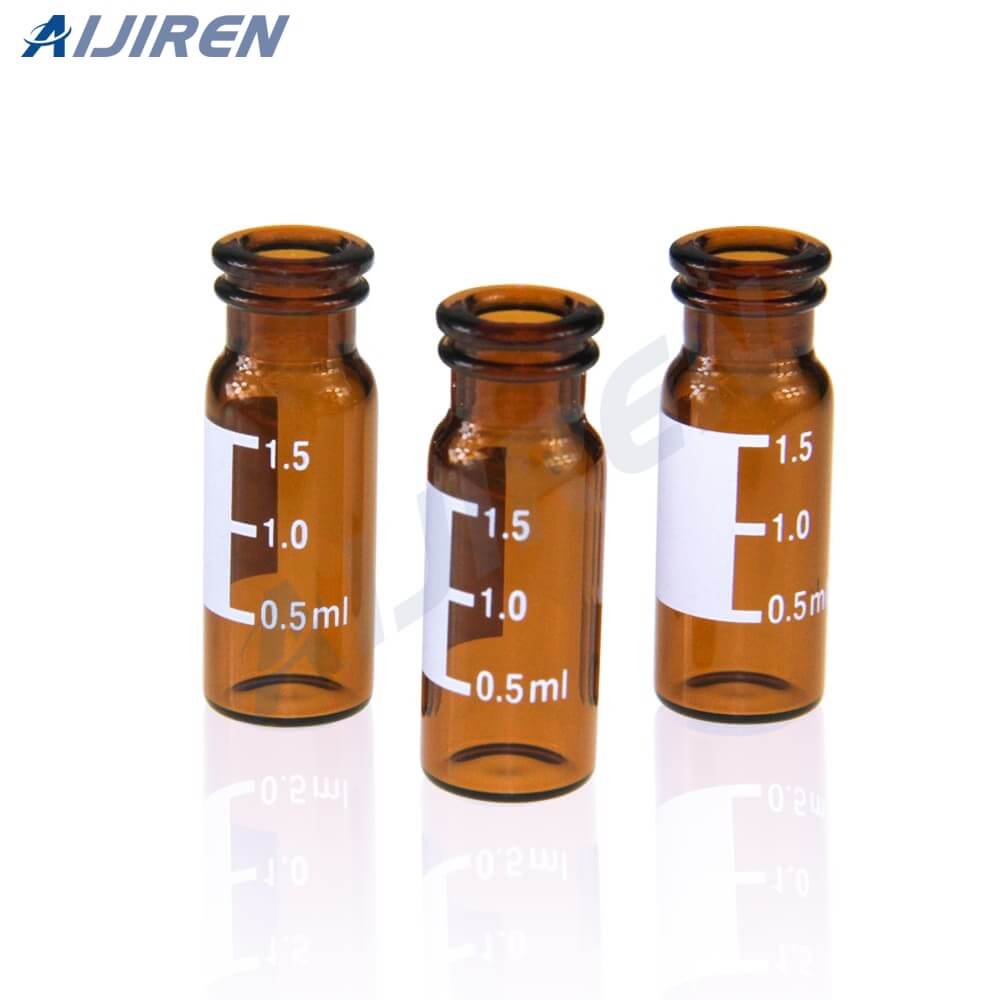
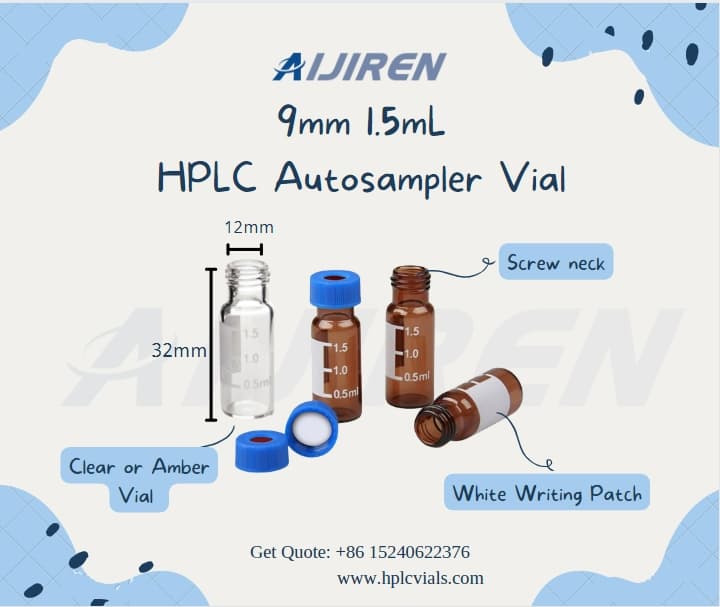
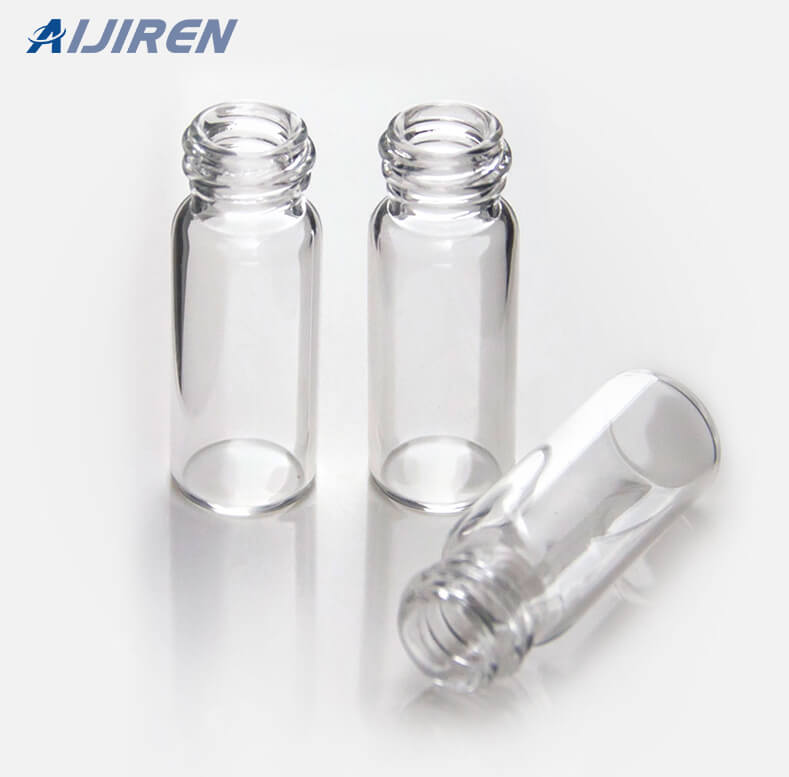
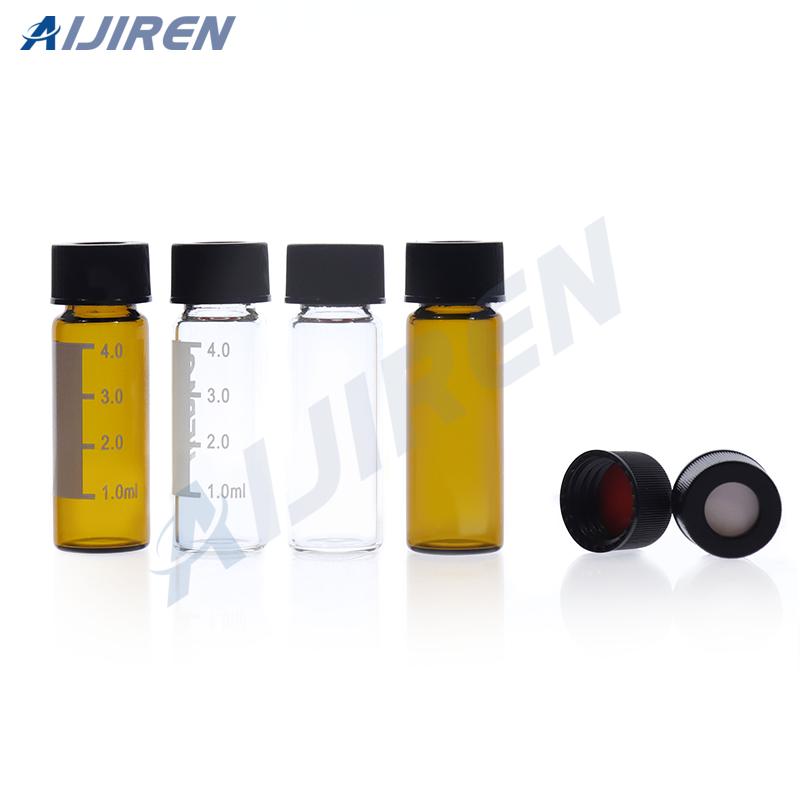
They are inserted into the opening of a vial, flask, or other containers and provide a secure closure.
The elasticity and flexibility of the rubber material allow for easy insertion and removal of needles or syringes while maintaining a tight seal when not in use.