How to Evaluate Chromatography Consumables Supplier Quality
In the competitive landscape of analytical laboratories, the choice of a chromatography consumables supplier is often reduced to a simple comparison of price lists. However, this approach overlooks the most critical factor: the direct impact of consumable quality on your analytical results. A column with poor packing or a filter with inconsistent pore size does not merely save you money; it costs you reproducibility, accuracy, and ultimately, your lab’s credibility. When regulatory compliance and data integrity are non-negotiable, the supplier’s manufacturing rigor becomes your first line of defense.
This guide moves beyond the sticker price to provide a structured framework for evaluating potential suppliers. We will examine the pillars of quality assurance, from certifications and cleanroom standards to batch traceability and audit protocols. By applying these criteria, you can build a supply chain that supports, rather than compromises, your laboratory’s performance. The goal is to transform supplier evaluation from a purchasing task into a strategic quality initiative.
Why Price Alone Is a False Economy
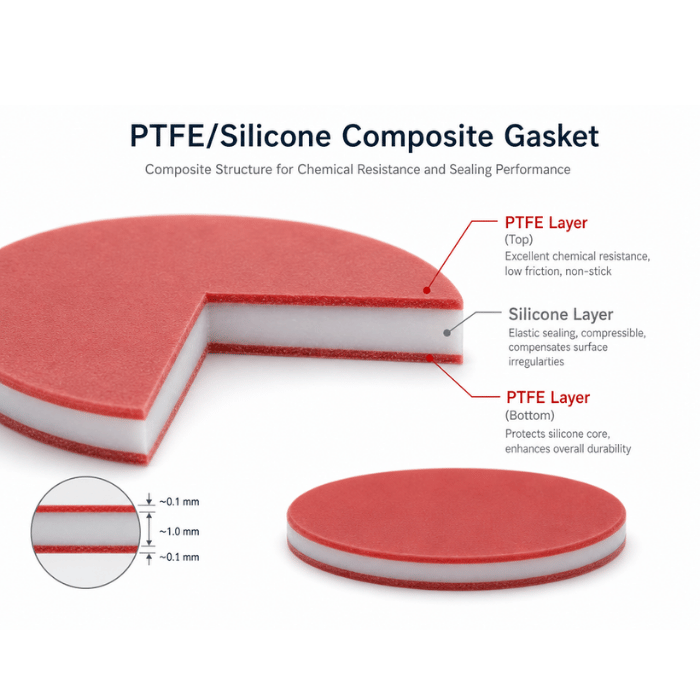
Consider the role of a single consumable—a syringe filter—in your sample preparation. If the filter media is inconsistent, it may leach extractables into your sample, leading to ghost peaks that confound your analysis. Similarly, a vial septum that is not manufactured to tight tolerances can cause solvent evaporation, altering your sample concentration and skewing quantitative results. These issues do not appear on an invoice, but they manifest as failed runs, wasted instrument time, and costly re-validations.
Furthermore, the hidden cost of poor quality extends to your method transfer and regulatory audits. If you cannot demonstrate that your consumables are manufactured under controlled conditions, your entire data set becomes vulnerable to challenge. The cheapest supplier often produces the most expensive problems. Therefore, a comprehensive evaluation must prioritize process control and quality systems over the unit price, ensuring that your analytical workflow remains robust and defensible.
The Non-Negotiable: ISO 9001 Certification
The first technical checkpoint in your evaluation should be the supplier’s quality management system (QMS), specifically their ISO 9001 certification. This international standard is not a vague badge of honor; it is a rigorous framework that mandates documented procedures for every aspect of production, from design and purchasing to manufacturing and final inspection. A certified supplier must demonstrate a commitment to continuous improvement and customer satisfaction through regular internal audits and management reviews.
When verifying this certification, do not simply accept a logo on their website. Request a copy of the certificate and note the issuing body and the scope of certification. The scope should explicitly list “chromatography consumables” or similar related products. A supplier who holds ISO 9001 is more likely to have robust change control procedures, meaning that if they alter a raw material or process, they will notify you in advance—a critical feature for maintaining method validity over time. This certification is your baseline assurance of operational discipline.
Production Environment: The Class 100,000 Cleanroom Standard
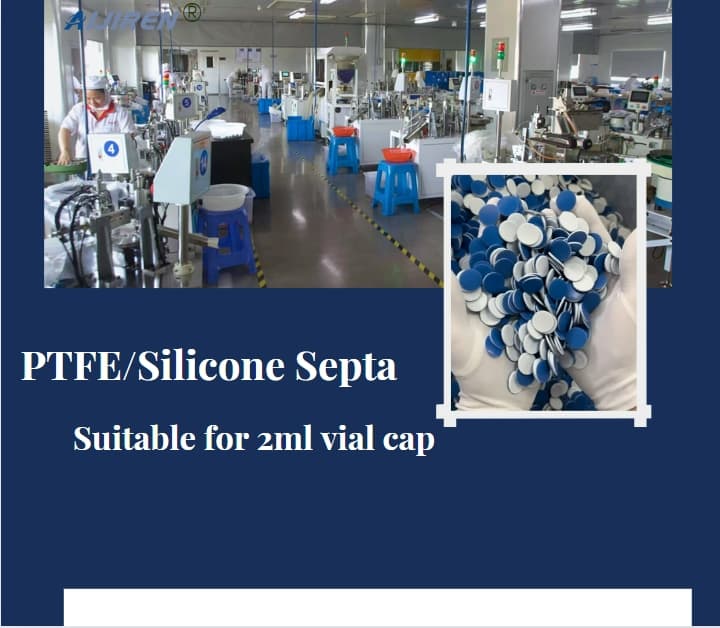
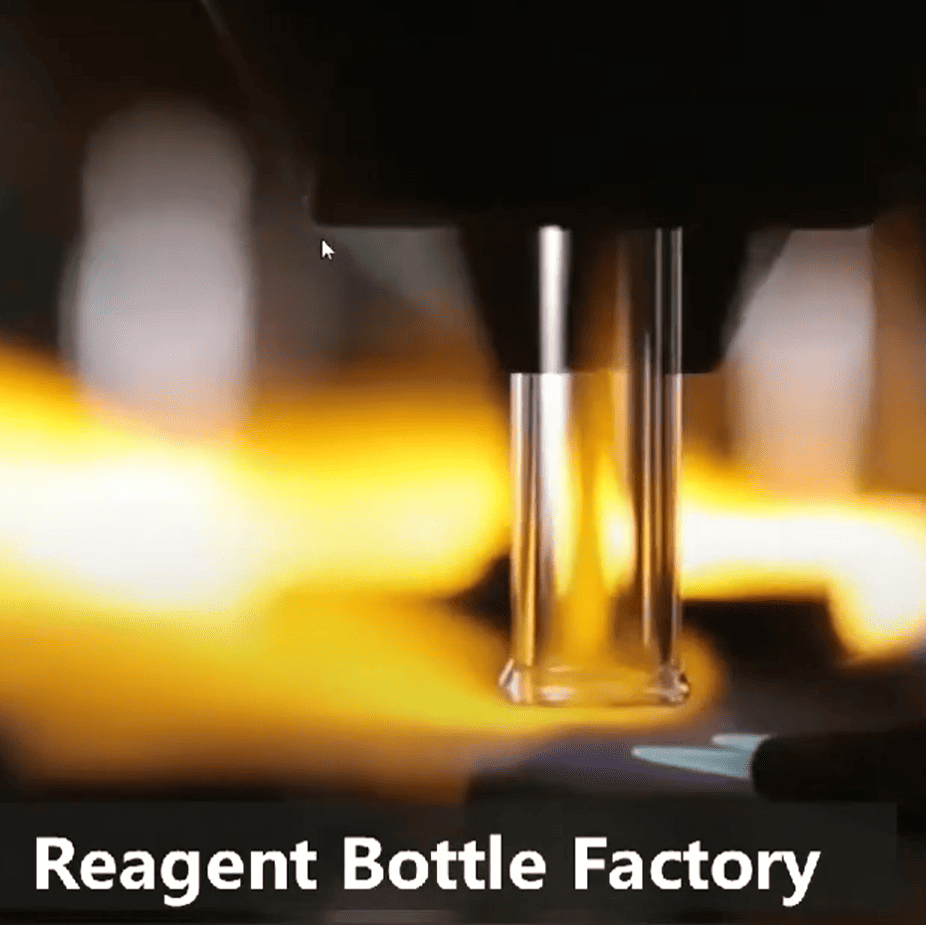
Chromatography consumables are often used at trace levels, where particulate contamination is a primary enemy. The manufacturing environment plays a pivotal role in preventing this. A reputable supplier will manufacture and package their products in a controlled environment, typically a Class 100,000 (ISO 8) cleanroom. This classification dictates that the air contains fewer than 100,000 particles (0.5 microns or larger) per cubic foot, significantly reducing the risk of particulate contamination entering your samples.
Beyond the air quality, you should enquire about the cleanroom procedures. Are employees required to wear full gowning, including gloves and hairnets? Is there a rigorous cleaning schedule for surfaces and equipment? Are raw materials inspected upon entry to the cleanroom? These factors determine the baseline cleanliness of the product. For applications like LC-MS, where sensitivity is paramount, the difference between a product manufactured in a cleanroom versus a standard warehouse is the difference between a clean baseline and unexplained background noise.
Quality Test Reports and Batch Consistency
Consistency between lots is the cornerstone of reproducible chromatography. A supplier’s ability to provide a Certificate of Analysis (CoA) for each batch is essential. However, the content of that CoA matters just as much as its existence. Look for specific, quantitative data rather than vague statements of “conforms.” For example, a CoA for a chromatography column should specify the number of theoretical plates (N), the tailing factor, and the retention time of a test analyte under defined conditions.
You should also ask about the supplier’s quality control (QC) testing frequency. Are they testing every batch, or only a statistical sample? What is their specification window, and how tightly is it controlled? A high-quality supplier will have a defined specification range and will reject any batch that falls outside it. This level of diligence ensures that the column you purchase this quarter performs identically to the one you used last quarter, protecting your method transfer and long-term data trending.
Material Traceability and Documentation
In the event of an unexpected result or a regulatory inspection, the ability to trace a consumable back to its raw materials is invaluable. A robust supplier will maintain complete traceability for every component, including the source of the silica particles, the polymer for the frits, and the stainless steel for the column hardware. This documentation chain allows you to isolate variables if a problem arises and provides confidence that no substandard or counterfeit materials have entered the supply chain.
Request a sample of their documentation package. This should include not only the CoA but also a declaration of conformity (DoC) and, where applicable, material safety data sheets (MSDS). For regulated industries like pharmaceuticals or food safety, you may also require evidence of compliance with specific pharmacopeia standards (e.g., USP). A supplier who can provide a comprehensive, organized documentation package demonstrates that they value transparency and are prepared to support your compliance obligations.
Practical Supplier Audit Tips
While reviewing documentation is essential, an on-site audit provides the ultimate verification. If a physical visit is not feasible, a virtual audit via video conference can still be effective. When conducting the audit, focus on the production floor. Observe the housekeeping standards—is the environment organized and clean? Look at the labeling of raw materials and in-process goods; are they clearly identified with status (e.g., “quarantined” vs. “released”)?
Ask to see their non-conformance and corrective action reports. A supplier who openly discusses past issues and the steps taken to resolve them is more trustworthy than one who claims a perfect record. Finally, request a list of their current raw material suppliers to check for potential supply chain vulnerabilities. Remember, you are not just buying a product; you are buying a partnership that must withstand the scrutiny of your own quality department.
Conclusion: Building a Quality-First Strategy
Evaluating a chromatography consumables supplier is a multi-faceted process that demands diligence beyond the initial quote. By prioritizing ISO 9001 certification, cleanroom manufacturing, rigorous batch testing, and complete traceability, you safeguard your laboratory’s analytical integrity. This evaluation is not a one-time event but an ongoing relationship where performance is monitored and communication is open.
Ultimately, the right supplier becomes a silent partner in your success, providing the consistency and reliability that allow you to trust your data. When you invest time in this evaluation, you are not just purchasing a consumable; you are investing in the accuracy, efficiency, and defensibility of your entire workflow. Make quality the primary criterion, and the cost will take care of itself.
-副本.jpg)